

What Makes An Outdoor Outfit Work
When you spend time outside, your clothes should help you enjoy the day, not slow you down. Outdoor outfit ideas that keep you comfortable and stylish help you stay ready for any adventure. Choosing clothes that fit well and work with the weather makes a big difference.
This article looks at how to pick the right fabrics and layers. It also covers practical choices for your outdoor outfit to keep you looking good and feeling great. You will learn tips and tricks for all seasons and settings.
Materials for Outdoor Clothing

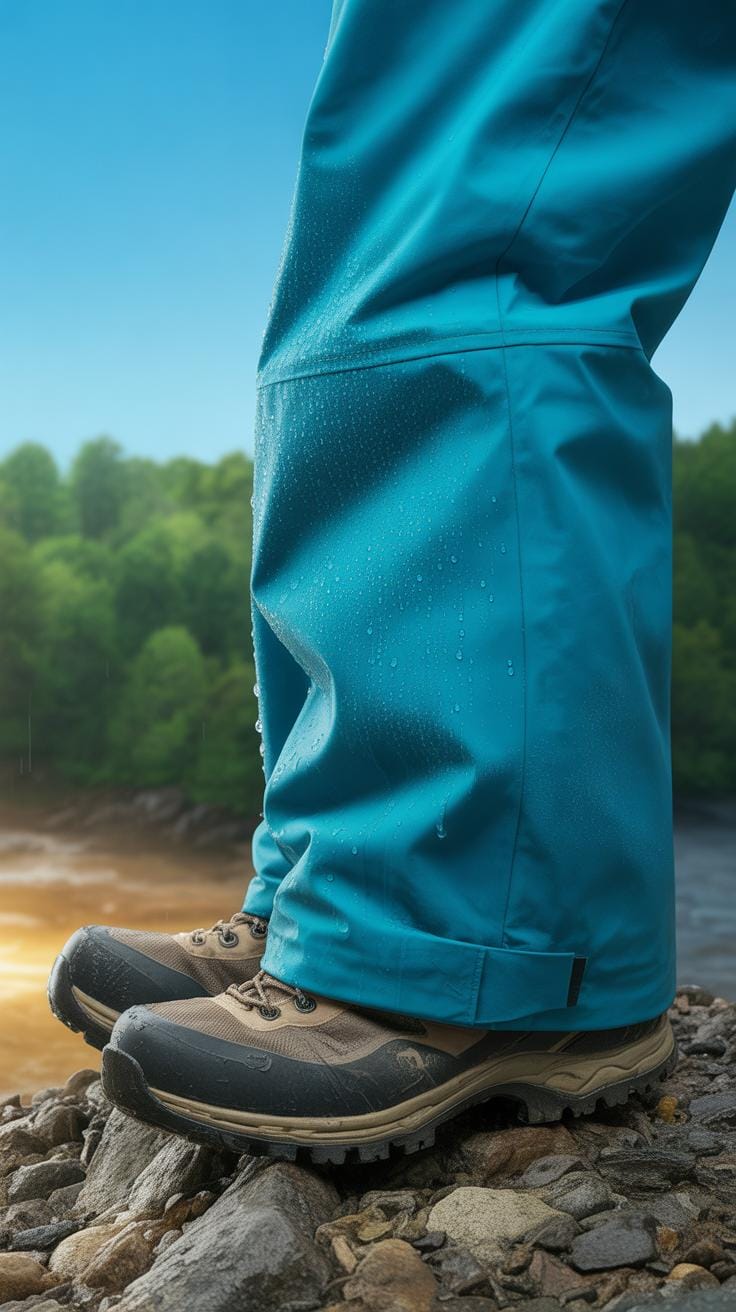
Choosing materials for outdoor clothing can feel a bit overwhelming. But some fabrics have clear strengths depending on what you plan to do outside. Cotton, for instance, is breathable and feels soft against the skin, but it holds moisture and takes a long time to dry, which isn’t great if you’re active or in damp conditions. Still, on a dry, mild day for a casual walk, cotton can work just fine.

Wool offers natural warmth and breathability, and it manages moisture surprisingly well—you can sweat a bit, and wool will still keep you warm. Merino wool, especially, is popular for base layers. It’s a bit pricier, sure, but worth it if you want something that won’t cling uncomfortably or smell quickly. Wool is good for colder weather or unpredictable conditions.
Polyester and nylon are often mixed into outdoor gear because they’re durable, dry quickly, and excel at moisture-wicking. Polyester is great when you’re active since it pulls sweat away from the skin, helping you stay dry and comfortable. Nylon adds toughness to garments, protecting against wear and tear. Think hiking pants or jackets where durability matters.
When you’re choosing fabrics, think about your activity and weather. If it’s cold and wet, wool or synthetics that dry fast and keep warmth are smart. For dry, hot days, lightweight polyesters offering breathability are better. Cotton, well, it’s mostly for low-effort days when comfort is king, but don’t expect it to handle sweat well.
Wool and synthetic fabrics—like polyester and nylon—each have roles that sometimes overlap but also differ. Wool keeps you warm even when damp and has a natural odor resistance. Synthetics dry faster and usually make clothing lighter and more abrasion-resistant. It’s often a trade-off between warmth, moisture control, and durability. Depending on your outing, you might want one, the other, or a combination.
Have you tried wearing wool base layers on a cool morning hike? It changes the game. And then there’s that trusty polyester shirt that’s your go-to for sweaty climbs. Different fabrics for different moments—sometimes it’s a bit of guesswork, but after a few tries, you pick up what works for you.
Layering for Outdoor Comfort

If you spend any serious time outdoors, you’ve likely heard about layering. It’s not just about putting on multiple clothes. It’s a way to stay comfortable by adjusting what you wear as conditions change—like when the sun pops out or a breeze picks up.
Start with the base layer. This is the layer closest to your skin. Its main job? To manage sweat and keep you dry. Think lightweight, snug fabrics like merino wool or synthetic blends. Cotton doesn’t really work here because it traps moisture. I’ve found a thin wool base layer keeps me warm without feeling clammy, even when I’m sweating a bit.
Next comes the mid layer. This one adds insulation—trapping your body heat while still allowing some breathability. Fleece jackets or lightweight down vests are great examples. They’re soft, easy to move in, and can be taken off if needed. Sometimes a thicker mid layer might feel bulky, but that’s the trade-off for warmth.
The outer layer wraps it all up and protects against wind, rain, or snow. Think windbreakers, waterproof shells, or breathable rain jackets. This layer doesn’t need to be thick, but it should block the elements. I’ve noticed that layering well here often means you don’t sweat through your clothes or get chilled by a sudden wind.
Putting these layers together lets you adjust on the fly. If you’re moving fast uphill, peel off that mid layer. Sitting back at camp? Zip up everything. It’s a system that can feel a bit tricky at first, but once you get it, it’s hard to beat for comfort during outdoor days.
Footwear for Outdoor Activities
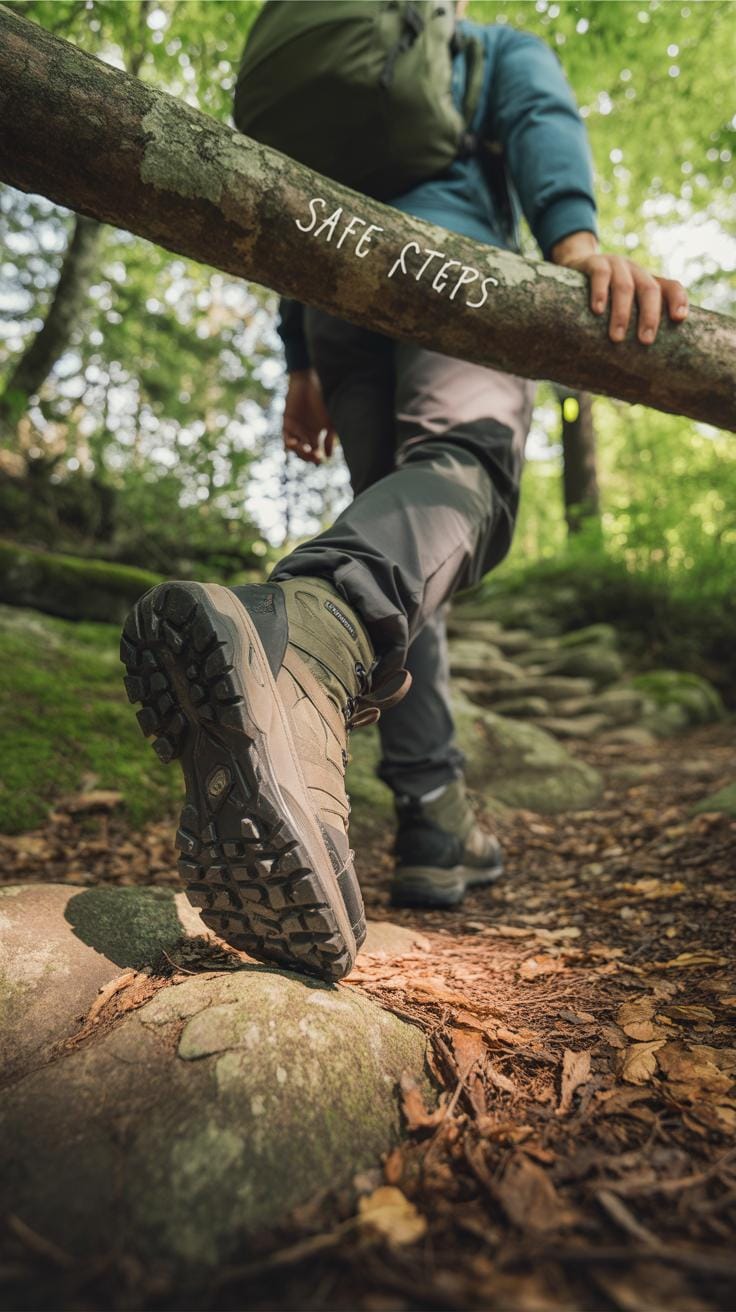
Choosing the right footwear can make or break your time outdoors. Whether you’re tackling steep trails or just wandering around a park, comfort and durability are key. Hiking boots, trail shoes, and sandals each have their place, depending on what you’re doing and where you’ll be.
Choosing hiking boots
Hiking boots often get the spotlight, and for good reason. They offer support and protection, especially on rough or uneven terrain. When picking hiking boots, fit is crucial. You want enough room for your toes to wiggle but not so much that your foot slides around. Support around the ankles can prevent twists, particularly on rocky paths.
Waterproofing is another detail to watch for. If you’re venturing into wet environments, waterproof boots keep your feet dry, though they might feel a bit heavier. Breathability sometimes gets sacrificed, which can matter if you hike long distances in warmer weather.
Alternatives to boots
Sometimes boots feel like overkill. Trail shoes are great for lighter hikes or faster-paced outings. They usually weigh less and offer flexibility, but with decent grip and protection. If you’re on well-maintained trails or prefer a more agile feel, trail shoes might be preferable.
Sandals, while not always considered serious hiking gear, find a place on easy walks or hot days. Look for sandals with sturdy soles and good straps—your feet shouldn’t feel unsecured. Of course, sandals won’t help on rough terrain, but for streams or sandy paths, they’re surprisingly practical and comfortable.
Comfort comes down to how your foot interacts with the shoe—cushioning, arch support, and how well the sole absorbs shock. Durability often depends on materials; thick rubber soles and tough uppers last longer but might sacrifice some flexibility. What works best in one situation might not in another, so think about terrain and weather before you decide.
WeatherReady Outdoor Outfits
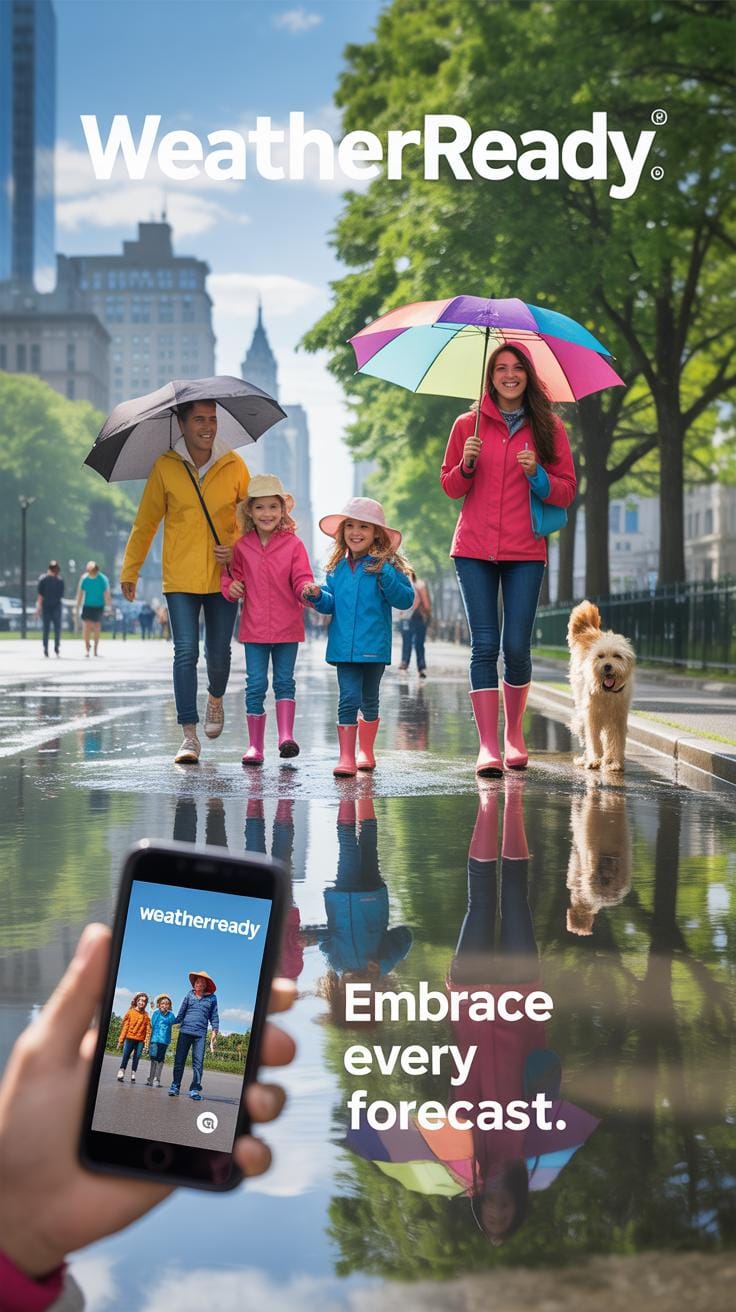
When you’re heading outdoors, weather plays a huge role in what you wear. It’s not just about looking good—being comfortable in different conditions matters, too. Let’s break it down by weather type.
Dressing for Sun and Heat
For sunny days, think light and breathable fabrics like cotton or linen. They help sweat evaporate and keep you cool. Loose-fitting clothes allow air to circulate; tight clothes trap heat and make you uncomfortable. Long sleeves and pants might seem counterintuitive, but they actually protect your skin from harmful UV rays without cooking you under the sun. A wide-brim hat works wonders for shading your face and neck.
Colors matter, too. Whites and light neutrals reflect sunlight rather than absorbing it. And don’t forget, some garments come with built-in UV protection—something to consider if you spend hours outside. Sunglasses with UV filters complete the outfit, even if you think the sun isn’t too harsh.
Handling Rain and Wind
Rain changes everything. Waterproof jackets and pants are worth every penny if you want to stay dry. Materials like Gore-Tex or coated nylon block water but still let sweat escape, so you don’t feel soggy from the inside out. A good rain jacket folds compactly in a bag—practical for sudden downpours.
When it’s windy, a windbreaker helps cut the chill without weighing you down. Some combine water resistance with windproof qualities. You might think layering a thick sweater is enough, but a windbreaker stops the cold air before it reaches your core, which is a different kind of protection.
Both rain gear and windbreakers work best when paired with moisture-wicking base layers underneath. If you skip that, you might feel clammy and cold despite the outer shell. Ever had that experience where you stay dry but still feel cold? That’s probably why.
Accessories to Enhance Comfort

Accessories often get overlooked, but they can make a big difference when you’re outdoors. Hats, gloves, scarves, and sunglasses do more than complete an outfit. They protect you and add serious comfort to your day.
Choosing the right hat and gloves
Picking a hat can be trickier than it sounds. For sunny days, a wide-brim hat shields your face and neck, but if you’re hiking, maybe a breathable cap works better to keep sweat off your face. Cold weather calls for insulated hats, like wool beanies or fleece-lined caps. They trap heat, but some styles may feel too bulky for active use.
Gloves also vary a lot. Thin, moisture-wicking gloves help in mild weather or when you need dexterity, like when tying shoelaces or using your phone. For colder or windier conditions, thicker insulated gloves are best—they keep warmth in but might make fine movements harder. Leather gloves look sharp and block wind well but can get sweaty during exertion. So, it depends: are you walking, cycling, or just sitting? Each calls for a different choice.
Sunglasses and scarves
Sunglasses aren’t just about style. They shield your eyes from harmful UV rays and reduce glare, which means less squinting and headaches. Polarized lenses can help when you’re near water or snow, cutting down reflected light almost instantly. But sometimes, sunglasses make you feel closed off or get foggy if you’re moving between temperatures. That’s when a good scarf can come in handy.
Scarves are surprisingly versatile. Beyond warmth, they protect your neck and face from cold wind or dust. If you choose lightweight fabrics, they can even block sun without overheating you. In chilly weather, wrapping up in a thick wool scarf feels like a small luxury, though it can be a bit itchy—so, softer materials might be worth the extra expense.
What accessories do you rely on outdoors? Do you ever bring a few options along, changing hats or gloves as the day shifts? Sometimes, being prepared means thinking beyond clothes to these small but impactful details.
Dressing Stylishly Outdoors

When choosing outdoor clothes, colors and fit matter more than you might think. Earth tones like olive, rust, or beige blend well with nature but can still look fresh. You could go for brighter colors if you want to stand out, but keep in mind that these might attract more sunlight or bugs. Sometimes, a muted palette feels more relaxed, but maybe that’s just my taste.
Fit is tricky outdoors. Clothes that are too tight limit movement, and overly baggy pieces can look sloppy and catch on branches or gear. Aim for clothes that move with you—think breathable fabrics with a bit of stretch or room to layer underneath, without drowning your figure. It’s a balance, and honestly, this often means trying things on in real life rather than guessing online.
Layering is your best friend. Start with a lightweight base that wicks sweat, add an insulating mid-layer, and top it with something wind- or water-resistant. But you don’t have to sacrifice style for function here. Look for pieces with interesting textures or subtle details like zipper pulls, contrast panels, or tailored cuts.
To combine practicality with style, mix traditional outdoor gear with casual staples. For example, pair rugged hiking boots with slim-fit joggers or a fleece pullover with well-fitted jeans. Accessories help too—something like a sleek backpack or a classy watch can pull a look together without weighing you down.
What’s your go-to outdoor outfit? Sometimes it’s worth experimenting a bit to find what feels right, both for comfort and how you want to present yourself. After all, isn’t feeling confident part of being comfortable?
Packing for Outdoor Trips
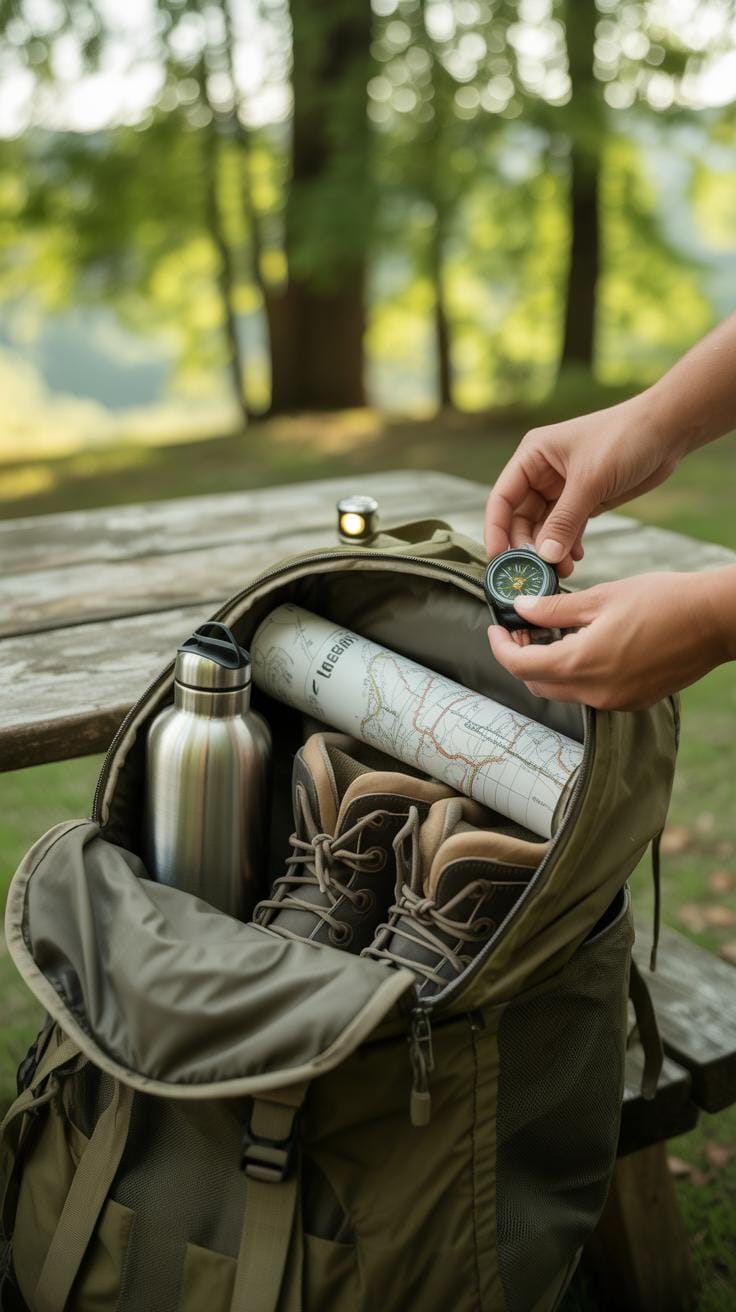
Packing for an outdoor trip isn’t just about throwing a bunch of clothes in a bag and hoping for the best. It’s a bit of a balancing act between what you’ll actually need and what’s comfortable to carry. How long you’re out there and what the weather’s like really changes everything.
For day trips, keep it simple but smart. You’ll want breathable layers, like a moisture-wicking shirt and a light jacket in case it gets chilly or windy. Don’t forget a hat and sunglasses—they protect you and can save you from sunburn or glare. Sneakers or hiking shoes are a solid choice, depending on the terrain. And maybe toss in a lightweight rain shell, since weather can surprise you sometimes.
When overnight trips come into play, packing gets trickier. You need more layers and options because nights can get cold and days could be warm. Think about packing an extra shirt or two, thermal underwear if it’s cool, and a sturdier jacket. Throw in a pair of socks for every day plus an extra set—you don’t want soggy feet. Packing cubes or compression bags help save space and keep things organized, making it easier to find what you actually need without rooting through everything. It’s funny how easy it is to overpack with “just in case” items, but then you end up lugging a heavy bag all day.
Consider the activities planned too. Will you need something specific like a swim shirt or gloves? Pack those last-minute. And maybe a pair of comfortable clothes to relax in after a long hike — because being stylish can also mean feeling at ease when the sun sets.
Maintaining Outdoor Clothes
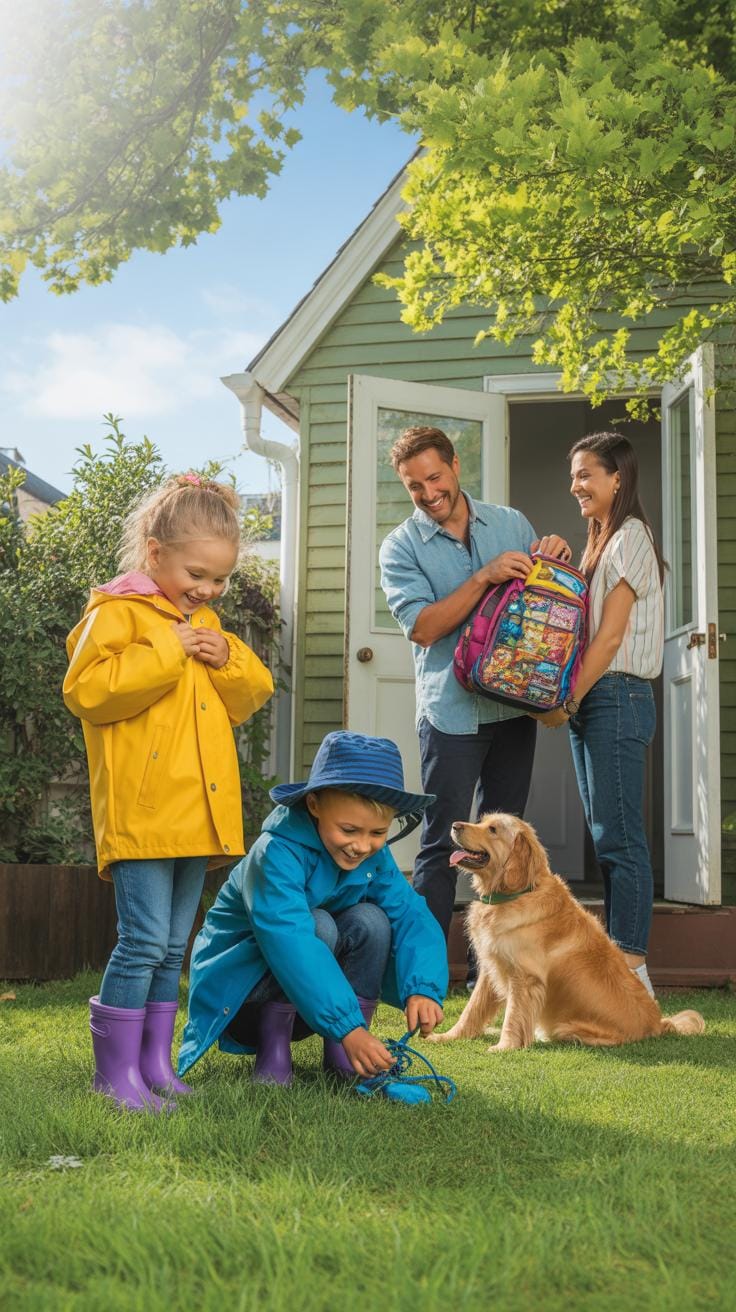
Taking care of your outdoor clothes isn’t just about keeping them clean; it’s about preserving their performance. If you don’t wash them right, dirt and oils can stick in the fabric, making waterproof layers less effective. So, how do you keep them working like new?
Washing and Drying Tips
First, check the care label closely. Most outdoor gear needs gentle washing to avoid ruining fabric treatments. Use a mild detergent—something made especially for technical clothes if you can find it. Avoid fabric softeners; they clog pores and kill breathability.
When it comes to washing, cold or lukewarm water works best. Hot water might seem like it cleans better but can strip coatings or damage fibers. Wash your gear separately; mixing it with heavy items can cause abrasion or pilling.
Drying outdoors on a line is tempting, but tumble drying on a low setting often helps reactivate the water-repellent finish in jackets. But don’t overdo it. A quick spin in the dryer can help, yet extended heat might backfire.
Keeping Waterproof Fabrics Effective
Waterproof coatings don’t last forever. After a few washes or rough use, rainwater might start to soak in instead of beading off. You could use a spray-on or wash-in water repellent product to restore that finish. Pick something suited to your fabric type—nylon and polyester coatings differ.
It’s curious, isn’t it, how a bit of heat after applying these treatments seems to “seal” them in, like a gentle bake? Using a dryer or a warm iron (with a cloth to protect the fabric) often improves adherence.
Don’t forget storage. Damp or dirty clothes left crumpled can weaken fibers or cause mold. Hanging or folding your clean, dry gear carefully helps maintain fabric strength over time. That way, your clothes stay ready for the next trip, whether it’s a quick hike or a weekend out.
Conclusions
Picking outdoor clothes that balance style and comfort means picking the right materials and layers. Your choices affect how well you handle different weather and activities. It pays to plan your outfit with your comfort and needs in mind.
Try using these outfit ideas to build your outdoor wardrobe. Comfortable, practical clothes can help you enjoy your time outside. When you feel good in your clothes, your outdoor experiences get better too.