
Small Changes That Improve Daily Life
The way you live today affects your health, comfort, and happiness. Small changes in your daily habits can lead to a better lifestyle in the future. This article explores practical ways you can adjust your routine to improve your daily living in many areas.
We focus on how you can boost your health and wellbeing, make use of new and handy technology, and care for the environment around you. Understanding these ideas can help you plan a better life daily, creating benefits for yourself and those around you.
Improving Your Diet


You might not realize how much your daily eating habits affect your overall health and energy levels. Changing what you eat can bring more steady energy throughout the day, reduce brain fog, and just help you feel a bit more awake. It’s not about drastic diets or overnight switches—simple shifts can make a noticeable difference. Try adding a piece of fruit with breakfast or swapping out sugary snacks for nuts. Small steps like these build habits that matter.

Why bother? Because the food you choose fuels everything—your brain, muscles, even mood. When you eat well, your body can work better, recover faster, and yes, sometimes your mood stabilizes too. Tired after lunch? That sugary snack might actually be part of the problem. Better choices give you longer-lasting energy that’s less crash-prone.
If you’re unsure where to start, try these easy moves:
- Include a vegetable or fruit at every meal.
- Choose whole grains instead of refined ones.
- Drink water instead of sweetened drinks.
- Pick lean protein sources like beans or chicken.
Switching things up doesn’t have to feel overwhelming—you can adjust slowly, see what works, pause when needed.
Benefits of Balanced Eating
Balanced eating means your meals provide a good mix of nutrients: carbohydrates, proteins, fats, plus vitamins and minerals. It sounds simple, but many of us lean too much on one group—maybe too many carbs, or not enough protein. When you balance your food groups, your body runs more smoothly. I’ve noticed, for instance, if my meals include protein and fiber, I don’t get hungry as fast or hit that mid-afternoon slump.
Balanced nutrition supports how your brain functions and even how you feel emotionally. Skipping this mix can leave you tired, irritable, or just unfocused. It’s not magic—it’s biology. Your cells rely on these nutrients to make energy and keep things in check.
So, eating balanced isn’t just a nutritionist’s catchphrase; it touches mood, focus, and energy—things you probably want more of during your day.
Foods to Choose Daily
Eating healthier doesn’t mean complicated grocery lists or expensive superfoods. Here are a few simple, easy-to-find everyday foods that make a difference:
- Leafy greens like spinach or kale – rich in vitamins and fiber.
- Whole grains such as oats or brown rice – keep blood sugar steady.
- Fresh fruits – a natural source of vitamins and a bit of sweetness.
- Legumes like lentils or chickpeas – great plant-based protein and fiber.
- Nuts and seeds – good fats and a handful can curb unhealthy cravings.
Including these regularly can help with digestion and energy, and even improve your skin or sleep quality. Interestingly, sometimes changing just one or two foods can show small health improvements—so it’s not about perfection but consistency.
Increasing Physical Activity

How Regular Physical Activity Supports Health, Improves Mood, and Boosts Energy
Adding regular physical activity to your routine can change the way you feel day to day. It’s not just about weight or fitness levels; moving consistently supports heart health, strengthens muscles, and helps with flexibility. People often notice their mood shifts too, feeling lighter or less stressed after a walk or some stretching. It’s almost like your body gets a small reset.
Energy levels tend to rise as well, though it might seem odd at first, because exercise can feel tiring in the moment. But over time, that consistent effort often leads to feeling less fatigued during daily tasks. Maybe you’ve felt sluggish after sitting too long—adding movement can break that cycle. Even short bouts of activity matter, and the health benefits pile up surprisingly fast.
Simple Exercises at Home
Not everyone can get to a gym or go for long runs, but home exercises can still do a lot. Think of things like:
- Bodyweight squats – great for leg strength and balance.
- Wall push-ups – easier than regular push-ups but still build upper body strength.
- Seated leg lifts – good for circulation and core engagement.
- Standing calf raises – simple way to activate muscles while you wait.
- Gentle stretching routines that open up tight areas like your hips and back.
These don’t take much time or equipment, but even these small movements can influence how you feel. The key is that they’re doable without much planning or space.
Making Exercise a Habit
Staying consistent is tricky. You might start full of energy, then drop off after a week or two. To avoid that, try these approaches:
- Set realistic goals—aim for a few minutes daily rather than hours once a week.
- Link exercise to something you already do, like doing squats while brushing your teeth.
- Keep a simple tracker—sometimes, just marking days you moved motivates you to keep going.
- Be gentle with yourself on off days. Missing one day doesn’t mean everything’s lost.
- Change it up occasionally to keep boredom away—some days stretch, some days walk, some days lift light weights.
The tricky part might be figuring out what feels right for you. So, ask yourself: what would I enjoy enough to keep trying? Finding that balance is personal, and it usually shifts over time.
Enhancing Sleep Quality

Good sleep affects your daily life in ways you might not always notice but definitely feel. When you sleep well, your mood improves, concentration sharpens, and you tend to have more patience throughout the day. On the other hand, poor sleep can sneak up on you—making tasks harder, decisions tougher, and energy levels often disappointing.
Sleep basics remind us that most adults need around 7 to 9 hours each night. Without enough rest, your body can struggle with memory retention, immune function, and even weight regulation. Maybe you’ve felt that foggy-headedness after a restless night; that’s your brain begging for more sleep. But it’s not just quantity—quality matters too. Interrupted or shallow sleep doesn’t refresh you the same way.
To build a routine that works, try setting a consistent bedtime and wake-up time—even on weekends. Your body appreciates predictability, but of course, life doesn’t always cooperate perfectly. Creating a pre-sleep routine helps too: dimming lights, avoiding screens, or sipping a warm, non-caffeinated drink can cue your brain to wind down. These small habits slowly teach your body when it’s time to rest. You might need to tweak your routine, though, because what works for one person won’t necessarily suit you. The point is to create a rhythm that feels natural rather than forced.
Using Technology Wisely

Technology can be a real help—or a headache—depending on how you use it. When chosen carefully, it supports better habits and simplifies daily routines. But it’s easy to get sidetracked or overwhelmed. So, it’s about balance, not just plugging in every new gadget or app that comes along.
Helpful Devices and Apps
Some tools genuinely make life easier. For example:
- Fitness trackers that remind you to move when you’ve been sitting too long.
- Apps like habit trackers that nudge you toward consistent routines.
- Calendar and task apps that keep your day organized without stress.
- Smart home devices that adjust lighting or temperature to boost comfort and energy savings.
I’ve tried a few, and while some felt like too much fuss, others quietly became part of daily life. The key is picking what fits your habits, not forcing new tech onto yourself.
Avoiding Screen Overuse
There’s a fine line between productive screen use and mindless scrolling. Too much screen time can drain energy and disrupt focus. It messes with sleep too, which you might have noticed if you’ve checked your phone right before bed.
So, how to cut down without feeling cut off? Try these:
- Set specific times to check emails or social media—don’t let them control you.
- Use “do not disturb” modes when focusing or winding down.
- Swap some screen time for offline activities, even if just a few minutes a day.
- Place devices out of reach during meals or conversations.
You might find that less always-on tech use actually frees up mental space, even if it feels hard at first. Is it always clear when you’ve crossed the line? Probably not. But paying attention to your body and mood helps.
Building Strong Relationships

How Strong Personal Connections Improve Emotional Health and Daily Happiness
Strong relationships really shape how we feel day to day. When you connect deeply with others, it eases feelings of loneliness and stress. It’s easier to bounce back from challenges because you have people who care. I’ve noticed that even a quick chat with a close friend can brighten a tough morning. There’s this quiet assurance in knowing someone understands you, flaws and all.
That kind of emotional support doesn’t just lessen sadness—it can actually boost your mood regularly. But it’s not always straightforward. Some days relationships bring frustration too. Yet, the overall effect often leans toward feeling grounded rather than isolated. Those bonds add meaning to everyday moments and can make life feel a little more manageable.
Communicating Effectively
Good communication might sound obvious, but it’s trickier than it seems. Simple things like really listening instead of planning your reply can change conversations a lot. You don’t need perfect speeches—sometimes just repeating what someone said shows you’re paying attention.
Here are some small tips that might help:
- Ask open questions to invite sharing, like “How did that make you feel?”
- Use “I” statements instead of “you” statements to avoid sounding accusatory.
- Pause before responding—sometimes silence encourages honesty.
- Check your tone; it can carry more meaning than words.
That kind of shift sometimes feels awkward at first, but over time, it can make interactions feel less tense. You might find yourself understanding people better, even when you disagree.
Spending Quality Time
Quality time doesn’t mean packing your schedule with events. It’s about meaningful moments, even if brief. Maybe it’s a walk without phones or cooking a meal together. Even watching a show and talking about it afterward can build connection.
Consider these ideas that I’ve found practical:
- Set regular, low-pressure routines, like Sunday breakfasts or evening chats.
- Unplug from distractions—turn off devices, or set boundaries around usage.
- Try an activity everyone enjoys—board games, gardening, or just a shared hobby.
- Be present. That means really focusing on the person, letting go of your to-do list.
Sometimes, it’s hard to make time. But those moments stick longer than busy days spent apart, trust me. They keep relationships alive and emotionally rich, helping you feel less alone as you move through life.
Managing Stress

Recognizing Stress Signs
Stress can sneak up on you. Sometimes it shows clearly, other times it lingers just beneath the surface. You might notice headaches popping up more often, or find your patience thinning over small things. Maybe you’re sleeping poorly, or waking feeling unrested. It could be harder to focus or finish tasks. These are common hints that stress is starting to weigh on you.
Often, you might dismiss these signals as just part of a busy day. But recognizing them early can make a difference. Ask yourself: am I feeling more irritable than usual? Am I avoiding social activity or hobbies I once enjoyed? These subtle changes can help you spot stress before it builds up too much.
Stress Relief Techniques
When stress arises, there are straightforward ways to ease its grip. Sometimes just stepping outside for a short walk helps clear the mind. Deep breathing exercises, even for a few minutes, can slow a racing heart and bring calm. If you prefer something more active, gentle stretching or light yoga might do the trick.
Other times, distraction is useful—listening to music or writing thoughts down can shift your mental state. You might find some comfort in talking with a friend, even briefly. Experiment with what feels right, because what works one day might not another. That’s okay. The goal isn’t to eliminate stress completely but to manage it so your daily life doesn’t feel overwhelmed.
Supporting Sustainable Practices
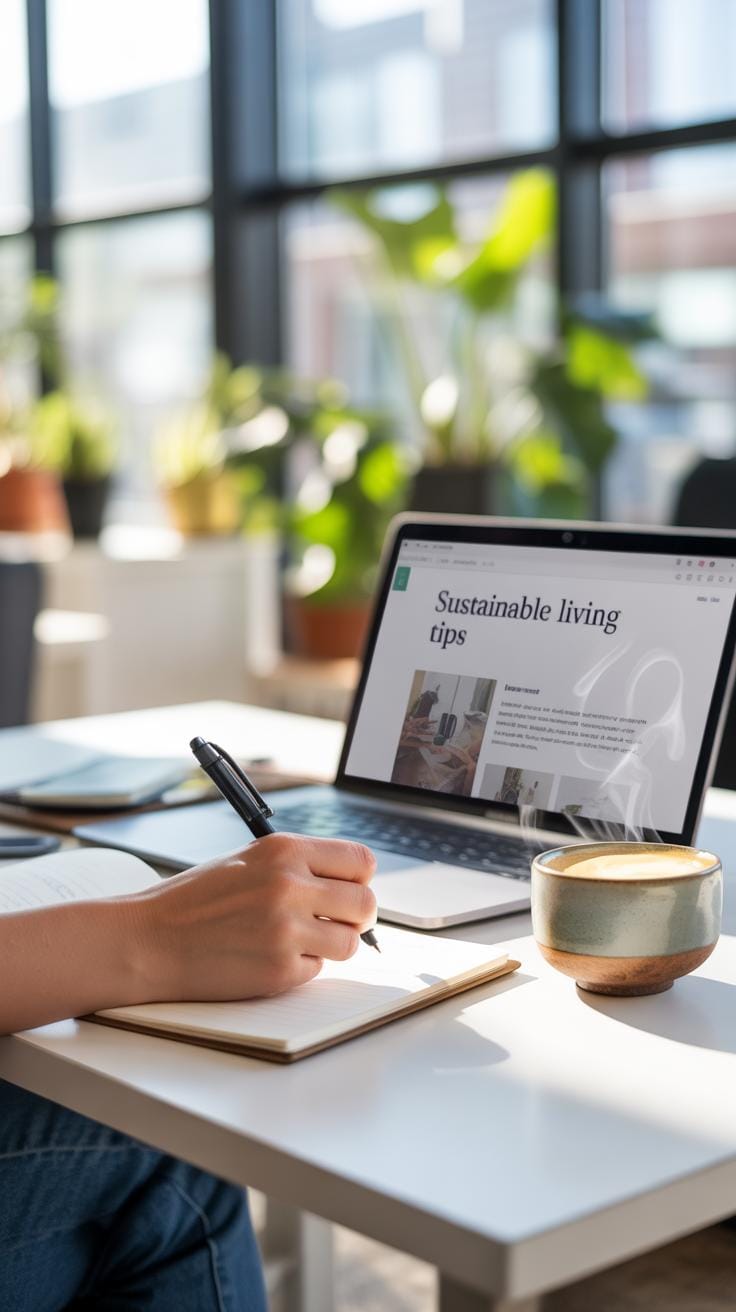
You might not always notice how small eco-friendly habits add up, but they really do make a difference—for both your lifestyle and the planet. Taking simple steps like cutting down on single-use plastics can feel restrictive at times, but once it becomes a routine, it’s less a hassle and more a way of life.
Reducing Waste
At home, try to rethink what you toss in the trash. Composting food scraps is one way to keep organic waste out of landfills, and it also gives you nutrient-rich soil if you have a garden. Outside the house, carrying a reusable water bottle or shopping with cloth bags reduces pack-generated waste. Sometimes, I forget my bags and end up with plastic ones—I suppose nobody’s perfect.
Another thing you could do is buy in bulk or choose products with less packaging. It feels like a tiny effort, but less packaging means less overall trash. Don’t be surprised if it takes a bit of trial and error to find stores that fit your habits.
Conserving Resources
Saving water can be surprisingly simple. Turning off the tap while brushing your teeth or fixing leaky faucets might seem minor, yet water wasted this way quickly adds up. When it comes to energy, thinking about your lighting or appliances helps. Maybe replacing old bulbs with LEDs or unplugging devices not in use seems obvious, but it’s shocking how often we overlook these steps.
You might also experiment with reducing thermostat use or relying on natural light when you can. It’s not always comfortable, or even practical every day, but trying it now and then could lower your resource use. What’s tricky is balancing comfort with conservation—sometimes you don’t want to compromise on either.
Planning Your Future
Setting Realistic Goals
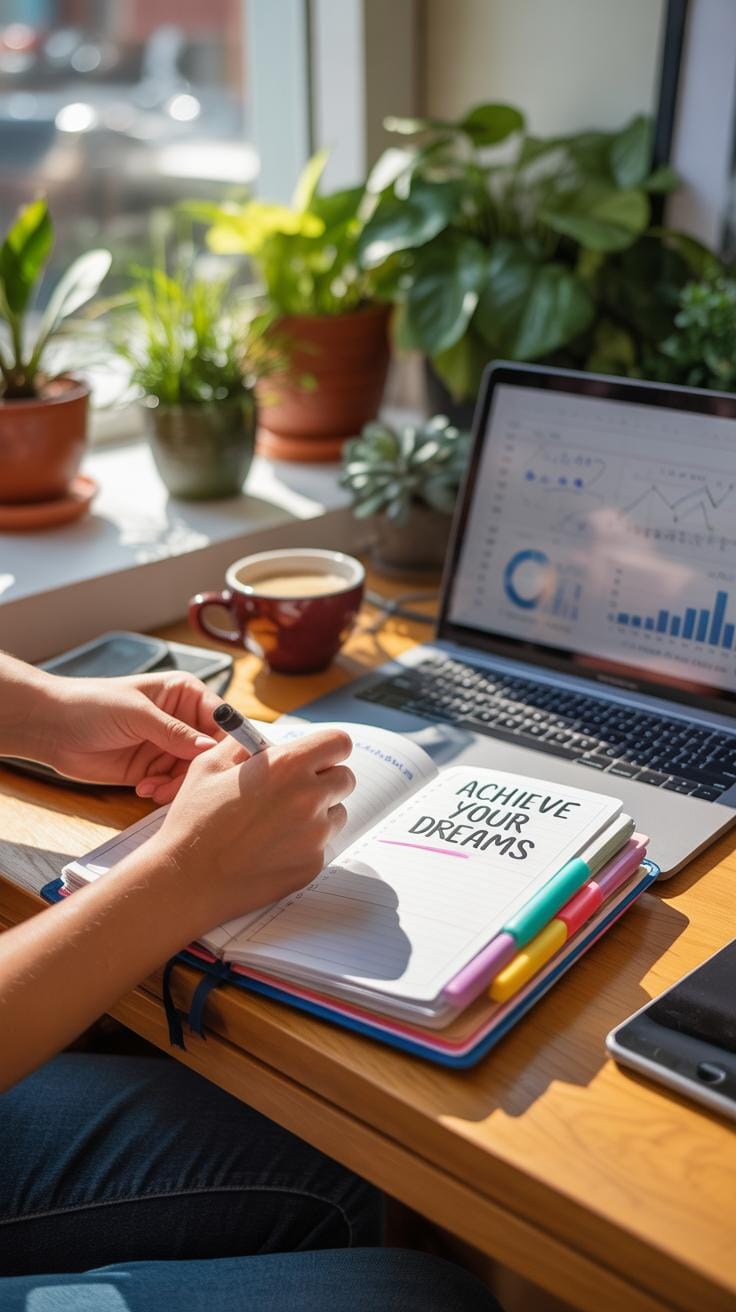
When thinking about future lifestyle changes, setting goals might sound straightforward, but it’s easy to aim too high and get discouraged. The trick is to start small. Instead of vague ambitions like “exercise more,” try something more precise like “walk 20 minutes three times a week.” That feels doable, right? Goals need to fit your current life rhythm while also nudging you forward—if they’re too easy, you might lose interest; if too hard, frustration could win.
It helps to break goals down into bits you can actually measure. For example, if you want to eat healthier, pick one specific habit like adding a vegetable to your dinner instead of overhauling your entire diet overnight. Goals should feel like a challenge but not a chore. And sure, you might rethink some goals as you go—adjustments aren’t failures, just reflections.
Monitoring Progress
Keeping track of progress is where many people trip up or lose momentum. But knowing where you stand can really keep motivation alive. You don’t need fancy apps or charts, though those can help. Sometimes a simple notebook or daily checklist works just fine. Writing down what you did or didn’t do gives you a clearer sense of habits forming over time.
It also creates space to notice patterns—when you’re most likely to skip workouts or when you feel energized after a good sleep. That kind of feedback is valuable. Maybe you check in once a week or every few days. Honest reflection, even if it means admitting slip-ups, keeps things real. What works for one person won’t for another, so experiment a bit. If you find that tracking feels like a burden, try pairing it with something enjoyable—like journaling your favorite moments alongside your goal progress.
Are you thinking about how to track your progress? What small step feels worth measuring right now? Starting that conversation with yourself might be the very first step toward meaningful change.
Conclusions
Changing your lifestyle does not mean making big leaps all at once. It is about step-by-step improvements that build up. By focusing on your health, using technology wisely, and caring for the environment, you make your daily living easier and more rewarding.
Your future lifestyle is shaped by the choices you make today. Try out some of these ideas, adjust as you go, and notice the positive effects in your life. Everyone can build a better future with simple, smart changes.