What Upcycled Fashion Really Means
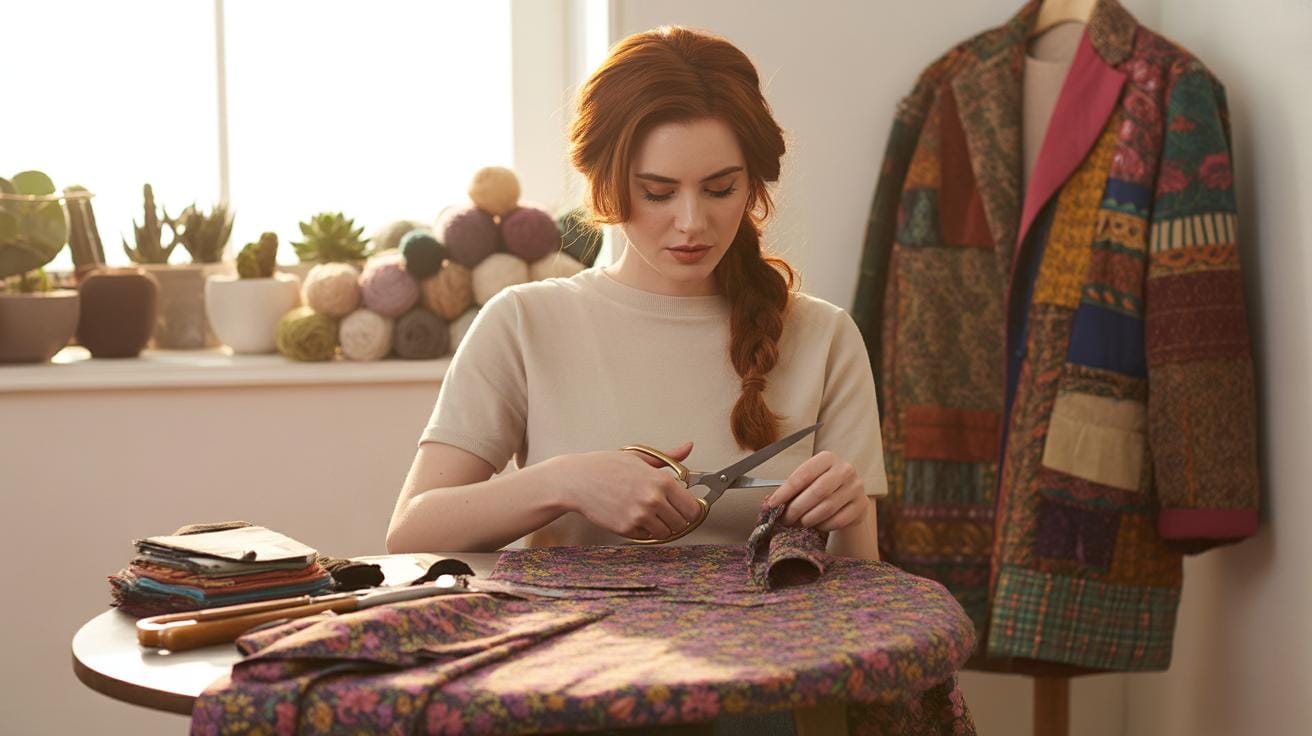
Upcycled fashion refers to taking old clothes or materials and turning them into new, stylish pieces. This approach offers many ways you can create unique clothing styles. Instead of throwing away old clothes, you reuse them to craft something new and personal. It helps you show your style while saving money and reducing waste.
This article explores upcycled fashion in depth. We will look at how it works, its benefits, different techniques you can try, and how it helps the planet. You will learn simple methods to start your own upcycled fashion journey and express your individuality with one-of-a-kind designs.
What is Upcycled Fashion

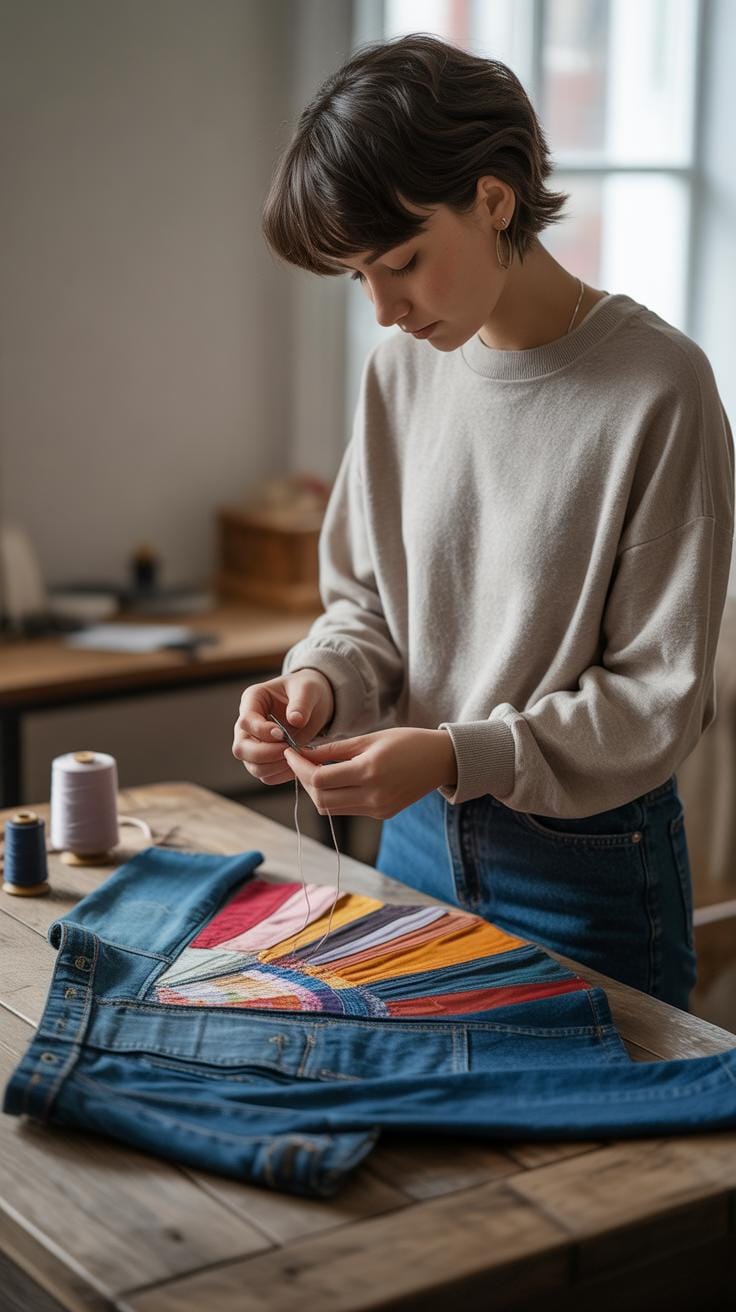
Upcycled fashion means taking old or unused clothing and giving it a new life, rather than throwing it away or turning it into something less valuable. Upcycling literally means “turning something old into something better.” When it comes to clothes, it’s about transforming a shirt, jacket, or pair of jeans into a new style that you can wear again.

This is different from traditional recycling. Recycling often breaks a product down into raw materials, sometimes making it lower quality. Like when fabric scraps are shredded and turned into insulation or stuffing—which is fine but not wearable. Upcycling keeps the fabric and parts mostly intact, improving or changing them in a way that adds value.
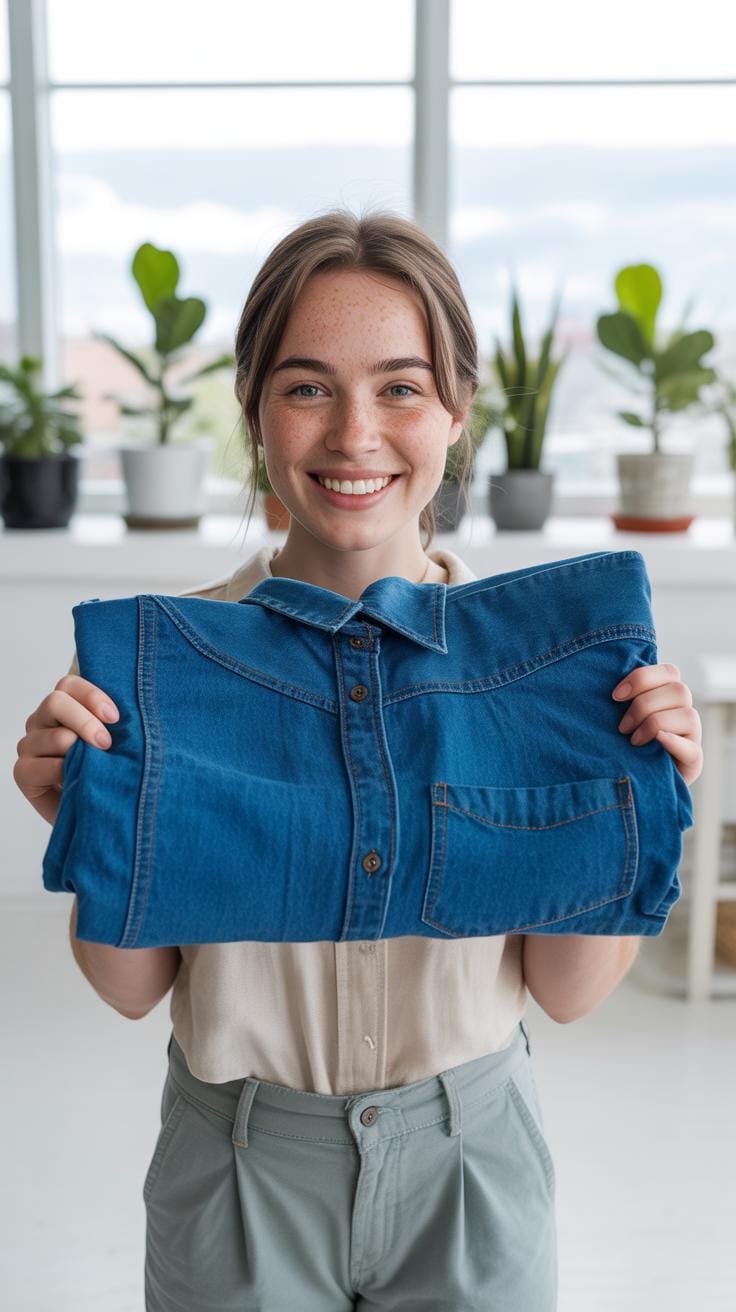
For example, a worn-out denim jacket can become a trendy vest after cutting off the sleeves and adding patches. Or you might turn old T-shirts into a braided tote bag. These new items aren’t just reused; they’re reimagined to look fresh, unique, and personal.
Understanding Upcycling
Upcycling started as a creative response to reduce waste and wastefulness. Instead of discarding clothes that might still have good fabric or unique details, people found ways to remake them into something worthwhile. This helps keep clothes out of landfill and reduces the need to buy brand-new garments.
Imagine you have a shirt with a tiny stain. Instead of tossing it, you might sew patches over the stain or cut the shirt into shorts. Little acts like these connect with a larger goal: reducing the mountain of textile waste the world produces every year. It’s simple but effective, and it often sparks creativity.
Upcycling vs Recycling
When thinking about fashion, upcycling and recycling approach old clothes differently. Recycling normally means breaking down materials and often losing quality or uniqueness. You could recycle polyester bottles into fabric fibers, but those fibers might not be as strong as the originals.
Upcycling, on the other hand, keeps the original materials mostly intact and transforms them into something better or more stylish. You get to add hand-stitched details, mix fabrics, or repaint designs. It’s like giving the clothing more value than before, not less. If recycling is about reducing damage, upcycling is about increasing worth.
Picture it like this: recycling might turn your old sweater into cleaning rags, useful but less special. Upcycling turns that same sweater into a one-of-a-kind scarf you’ll actually want to wear. Both reduce waste, but upcycling invites you to be part of the creative process.
Why Choose Upcycled Fashion
You might wonder why upcycled fashion is growing in popularity. Well, one big reason is its impact on the environment. When you upcycle clothes, you keep textiles out of landfills, which is a huge deal. Did you know that in the US alone, about 11 million tons of textiles are dumped each year? That’s a staggering amount of waste that could instead be given new life. By reusing old fabric or garments, upcycling cuts down on the demand for new resource-heavy production.
Also, there’s something about wearing upcycled clothes that feels special. Each piece often carries a story because it’s not mass-produced. You won’t find the exact same jacket or shirt on someone else. That uniqueness adds a layer of confidence and creativity to your wardrobe, which can be kind of refreshing in a sea of fast fashion.
And let’s not forget the cost side of things. Upcycling can actually save you money. Instead of buying new, you’re transforming what you already have or what others might toss away. It might take some effort and a bit of trial and error, but in the end, you get stylish pieces without splurging. It’s smart, especially if you care about both your budget and the planet.
So, when you think about it—why settle for something ordinary? Upcycling offers a way to express yourself distinctively, cut down on waste, and save cash. Isn’t that worth trying out?
Getting Started with Upcycling
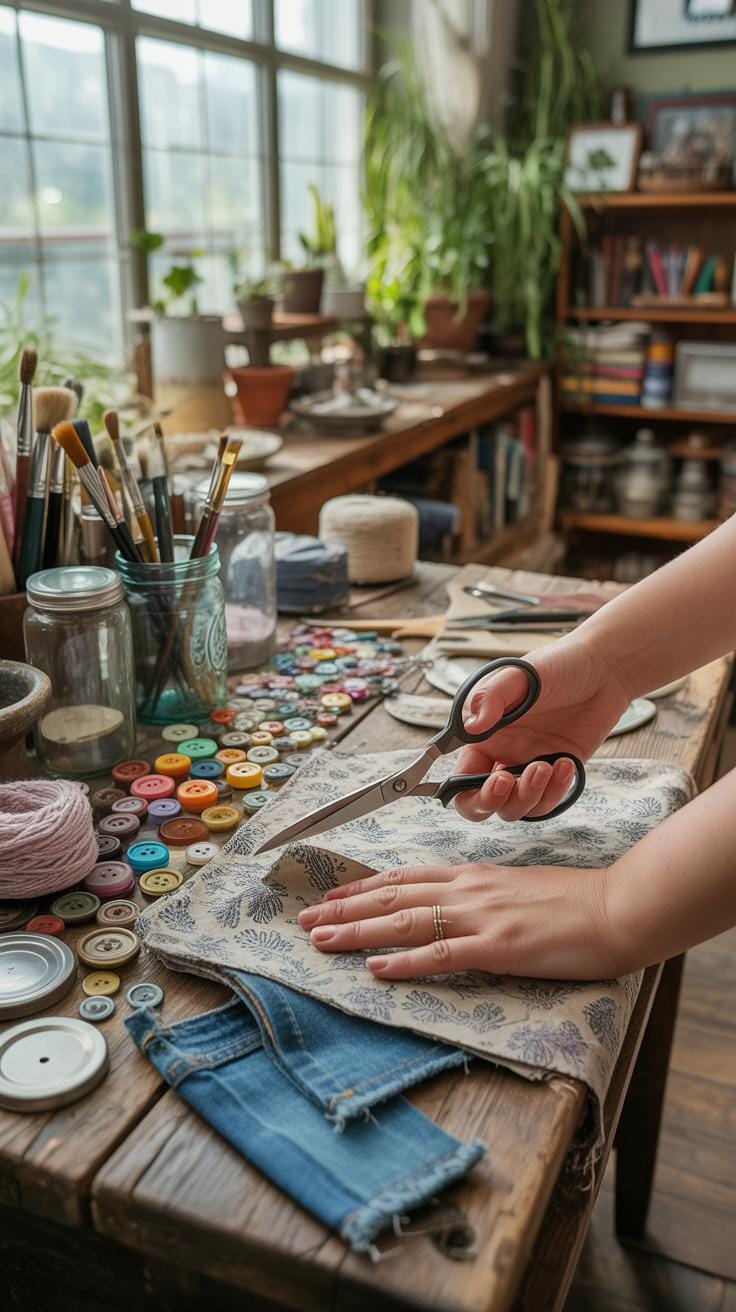
When you’re ready to start upcycling clothes at home, it helps to gather just a few simple tools. You don’t need much—really, basic stuff works fine: scissors, needle, thread, fabric glue. Scissors are obvious but make sure they’re sharp enough to cut fabric cleanly. A good needle and thread let you do little fixes or even simple sew-ons like patches without fuss. Fabric glue can hold things together when sewing feels like too much effort, but it might not last forever, so keep that in mind.
If you want to try easy beginner projects, consider turning old t-shirts into reusable bags by cutting and tying the bottom instead of sewing. Or patching worn-out jeans with colorful scraps can give them new life without much skill. You might want to experiment with mixing colors or textures—you don’t have to get everything perfect. Maybe start with something small. I once just sewed a few fabric scraps on an old sweatshirt and actually liked the random look it gave—it didn’t look polished, but it was unique.
Have you thought about what piece of clothing you’d want to try first? Sometimes, picking something with sentimental value makes you more invested in the process. Just remember, upcycling can be simple or complex, depending on your mood and time. Don’t stress over results. The point is to make something worth wearing, your way.
Popular Upcycling Techniques
Sewing and Alterations
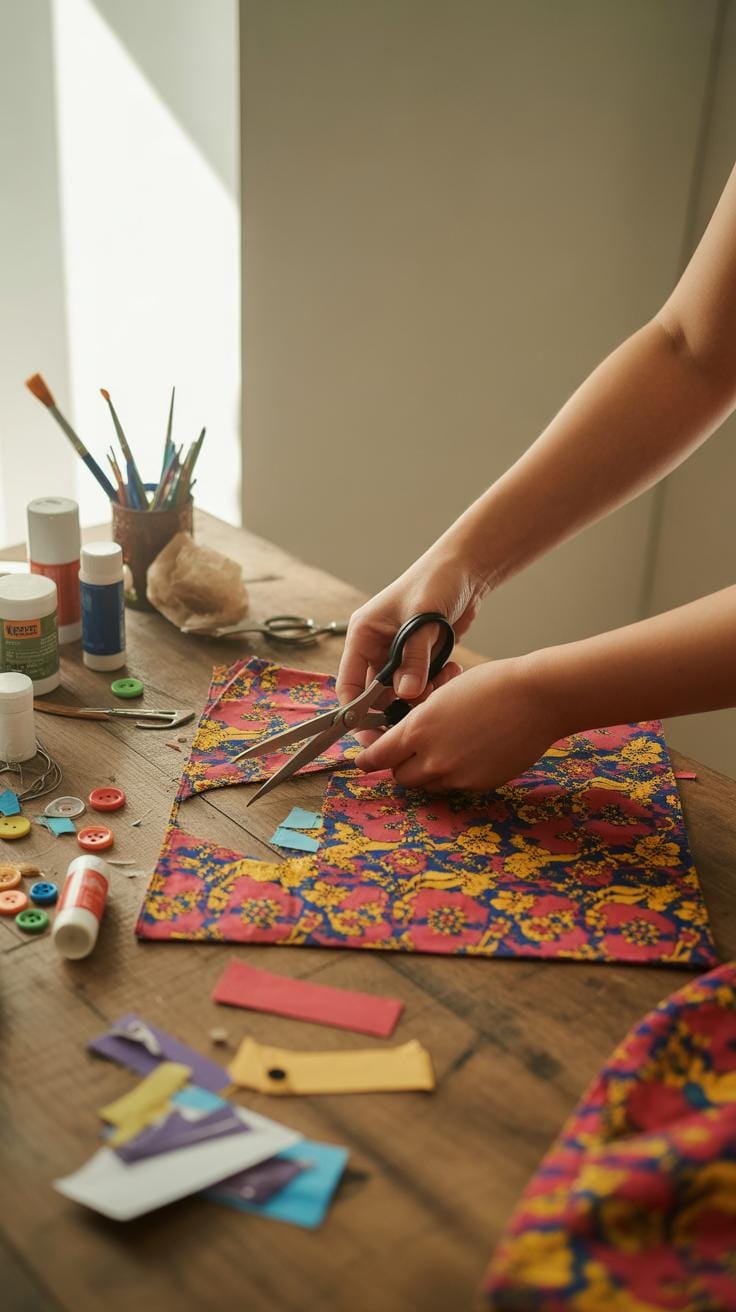
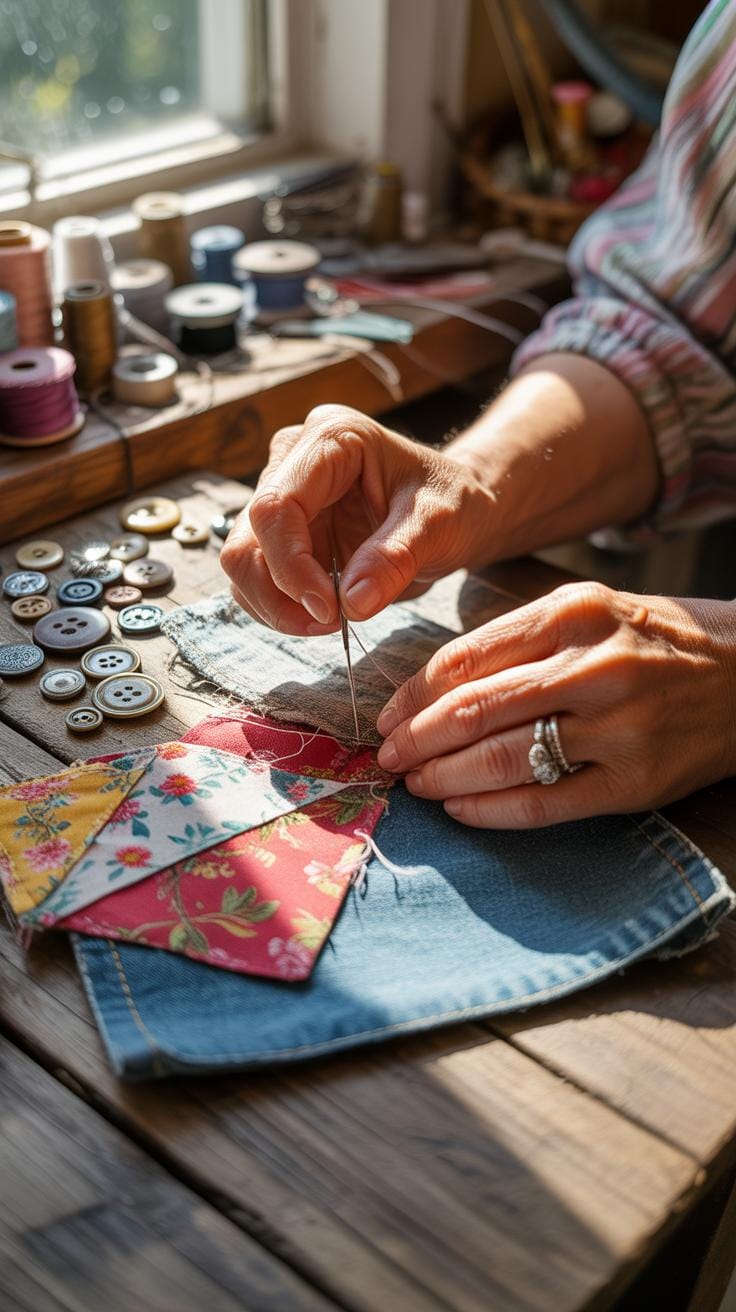
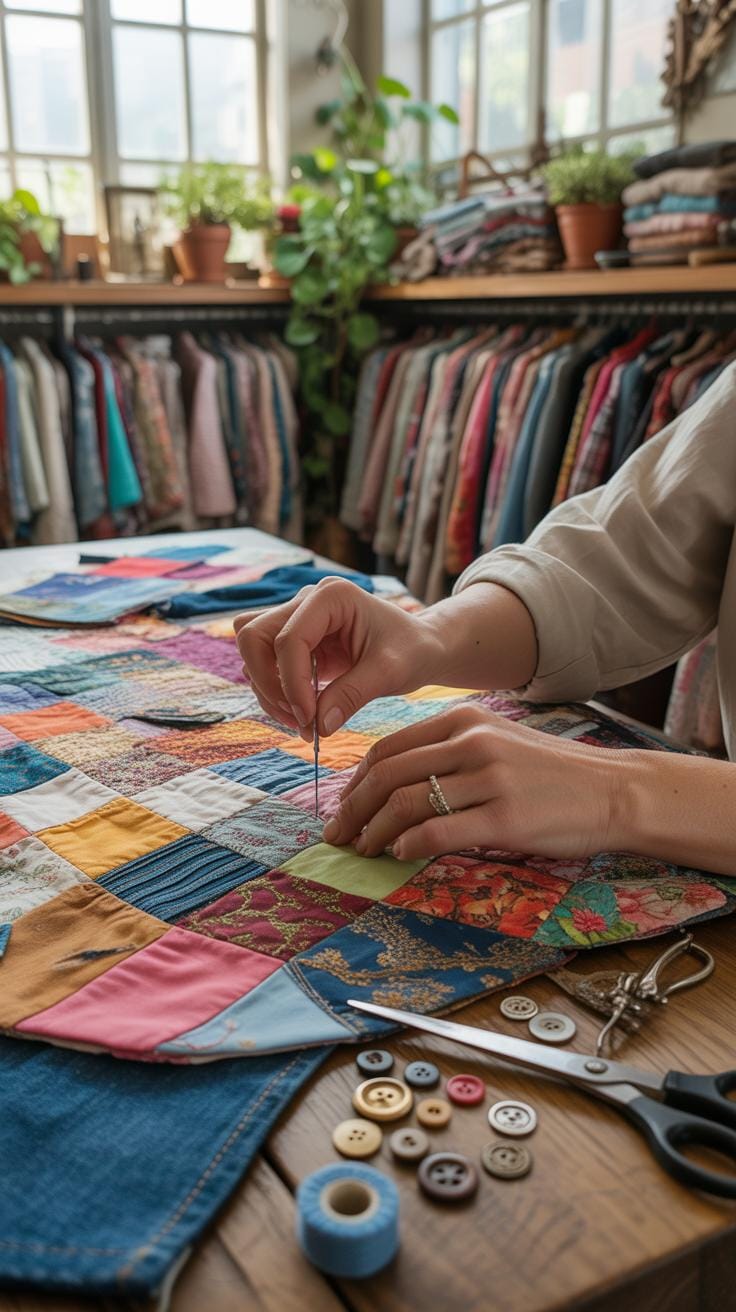
Changing the shape of a garment often starts with a few simple stitches. Sewing can do more than fix tears—it can reshape, resize, and even transform whole pieces. For example, turning oversized shirts into cropped tops or adding darts to adjust fit are common ways to breathe new life into old clothes. You might also sew on patches or appliqués to decorate or cover stains—in some cases, these additions become the focal point of the design. It takes patience, especially if you’re new to using a needle and thread, but small tweaks gradually build your confidence. Don’t shy away from experimenting with altering sleeves, necklines, or hemlines. Sometimes the best outcomes come from unexpected cuts or seams.
Decorations don’t have to be complicated. Simple embroidery or attaching buttons and ribbons can refresh plain fabric. You may think such changes are minor, but they can dramatically personalize your items. Each stitch carries a touch of uniqueness—something store-bought can’t quite replicate.
Creative Fabric Use
Painting and dyeing fabric are popular ways to inject color and personality into tired garments. You could try fabric paints to add patterns or even abstract designs. I remember painting geometric shapes on a denim jacket—the result wasn’t perfect, but it was definitely one of a kind. Some prefer using tie-dye or shibori techniques which introduce unpredictable, organic patterns. Mixing textiles is another avenue. Imagine combining cotton and lace, or denim and silk, by sewing scraps together. This fusion can create tactile contrasts that spark curiosity and style questions.
Another creative option is distressing or bleaching sections of clothes. Often the leftover fabric from other projects can be reworked, cut, or layered to make patchwork pieces. These projects may take some trial and error—especially with colors—but you’ll develop an eye for how hues and textures interact. Have you ever thought about what happens when you paint over printed fabric? Sometimes the old design peeks through, creating a layered effect that feels surprisingly fresh.
Inspiration from Upcycled Fashion Artists
Nicole McLaughlin’s Story
Nicole McLaughlin is a fashion creator who really blurs the line between art and wearable clothing. She works mostly with discarded materials, taking things that might seem useless and turning them into standout pieces. What’s interesting about her is that she doesn’t just sew patches together or add simple embellishments; she often reconstructs or reimagines items entirely. For example, she’s known for making shoes and bags from things like air filters, road signs, or even car parts. It’s sporadic, unpredictable, and kind of confrontational in the best way.
Her collaborations extend beyond the usual fashion brands; she has worked with big names like Nike and Patagonia, pushing the envelope on what upcycled materials can become. McLaughlin’s style often feels a bit raw, unpolished, yet intentional, leaving you wondering how someone thought of making a sneaker out of a bike helmet. There’s a playful attitude but also a critique—maybe on consumerism or waste—that sneaks in with her work.
Creative Examples
To get a better sense of what’s possible, take a look at her “Trash Isles” project where she fashioned colorful bags from old billboard vinyls. Or her collection of patchwork jackets made from scraps of thrifted denim, each piece visibly layered over another, creating depth and texture. She’s not alone in this space either. Designers like Christopher Raeburn also turn military surplus into polished, modern outerwear, blending utility with flair.
These projects show that upcycling can go far beyond simple repairs. You might find yourself wondering—what would happen if you combined fabric scraps with materials you wouldn’t usually think of, like plastic packaging or even furniture upholstery? It’s a curious process. Sometimes you end up with something wearable, sometimes more like wearable sculpture. Either way, these artists remind you that creativity in upcycling isn’t just about saving fabric; it’s about pushing boundaries, taking risks, and maybe even redefining what fashion means to you.
Upcycling and Environmental Impact

Waste Reduction Role
Every year, millions of tons of clothing end up in landfills. Some estimates say the average American throws away about 80 pounds of textiles annually. It’s quite staggering when you think about how much that builds up worldwide. Upcycling steps in here by giving older fabrics and garments a new life, stopping them from becoming just another pile of waste.
By turning discarded clothes into something wearable again, upcycling keeps textiles out of the landfill. This is more than just a recycling effort. It’s about creatively extending the life cycle of materials that usually would be tossed. For instance, those old denim jeans you have at home? Upcycling them into shorts or bags could divert quite a bit from the waste stream. It might not seem huge on its own, but collectively, it makes a difference.
Saving Resources
Upcycled fashion lowers the need for new raw materials by reusing what’s already there. Producing fabric from scratch uses water, energy, and chemicals in large amounts. Cotton farming alone consumes about 20,000 liters of water to make just one kilogram of cotton. When you repurpose existing textiles, you reduce this demand significantly.
It’s a quiet way to reduce environmental strain—fewer raw materials mean fewer pesticides, less water waste, and less greenhouse gas from harvesting and processing. Some studies suggest that repurposing clothes can cut CO2 emissions by roughly 60 percent compared to producing new garments. That’s a surprisingly big number if you pause to think about what it means for climate impact.
Still, some might wonder if the small scale of individual upcycled projects truly shifts the needle. Maybe it doesn’t solve everything, but it nudges fashion toward being more mindful. Even reusing scraps for patches reduces resource consumption. So, in a way, upcycling feels like a subtle push in the right direction—even if it’s just one garment at a time.
Upcycled Fashion Trends Today
The trend of upcycled fashion has quietly been gaining real momentum. It’s no longer just a niche for craft lovers or eco-enthusiasts. You might notice more brands and designers showcasing pieces made from reclaimed fabrics or reworked vintage clothes. Some high-profile fashion weeks now include upcycled collections, which brings a fresh kind of attention.
People seem drawn to clothing that feels distinct—each piece tells a story, unlike mass-produced items. Maybe it’s the appeal of personal expression mixed with conscience that makes upcycled fashion stand out. There’s a sense that by wearing upcycled clothes, you’re part of a movement, not just following a fad.
Rising Popularity
Interest in upcycled apparel has been steadily climbing. Recent surveys suggest more than a third of young consumers look for sustainable choices in fashion. Online marketplaces and social media platforms feature growing communities focused solely on upcycled goods. When browsing, you might even catch yourself lingering on pieces labeled “hand-altered” or “repurposed.”
Still, it’s curious—while some embrace upcycling eagerly, others remain hesitant, unsure about quality or style. This mixed reception may slow growth, but it also sparks needed conversations about value beyond price tags.
Sustainability Connection
Upcycled fashion fits snugly within the broader sustainable fashion goal of reducing waste. Instead of adding to landfill or using fresh resources, it makes use of what’s already available. This approach helps cut down material waste and lowers carbon emissions linked to new fabric production. But the benefits don’t stop there.
When you choose upcycled clothing, you might be supporting smaller, local businesses or artisans who often put care into their craft. This can encourage responsible consumption and community-focused economies, which feels like a small but meaningful shift in a consumer-driven world. Does this make you rethink what value means in clothing?
How to Shop Upcycled Fashion

Finding upcycled clothing can feel a bit like a treasure hunt—there’s no single place to look, and the variety can be surprising. You might find pieces at specialized boutiques that focus on eco-friendly brands, or through online platforms dedicated to handmade or one-of-a-kind items. Markets and local craft fairs often showcase upcycled fashion too, giving you a chance to see the garment up close before buying.
Some good spots online include Etsy, Depop, and independent brand websites. If you like browsing in person, keep an eye out for pop-up shops and thrift stores that highlight upcycled selections. Sometimes, Instagram accounts of small designers offer direct sales or announce local events.
Where to Buy
- Specialty eco boutiques and vintage stores
- Online marketplaces like Etsy and Depop
- Local craft fairs and pop-up shops
- Instagram pages of upcycling artists and small labels
- Platforms like eBay or pre-loved sections of fashion sites
Checking Quality
When it comes to quality, you’ll want to look beyond just the style. Upcycled pieces vary in craftsmanship, so take time to examine materials and stitching closely. Good upcycled fashion should feel sturdy, with seams intact and no awkward patches that might come undone soon. Sometimes repairs or alterations add charm, but you want those to be done thoughtfully—nothing too rushed or sloppy.
Look for details like reinforced hems or creative but secure closures. If the fabric looks worn but holds together well, it might be a sign of a piece with some history but still durable. Avoid anything that feels fragile or seems hastily put together. Trust your instincts, and don’t hesitate to ask the seller about how the piece was made or what materials were used. Quality varies, but it’s worth the effort to find something that lasts and speaks to your style.
Care Tips for Upcycled Clothes
Washing Advice
Upcycled clothes often combine different fabrics, so washing them requires some care. It’s usually safer to stick with gentle cycles or hand washing. I’ve found that cold water tends to be kinder—less chance of shrinking or color bleeding. You might wonder if you should always use detergent made for delicates. I think it helps, but even a mild soap can work if you’re cautious.
Try to avoid the dryer. Air drying is much better for these pieces. Just lay them flat or hang them on a padded hanger. That little extra attention can make a noticeable difference in how long your garment looks good. Sometimes it feels like a bit of effort, but it really pays off over time.
Maintenance Tips
When you notice a loose stitch or small tear, it’s a great chance to jump in and fix it right away. Simple sewing skills can stretch the life of your clothing a lot. If you don’t sew, fabric glue or iron-on patches work well, especially for quick fixes. I’ve patched a sleeve with an iron-on piece and it wasn’t perfect, but good enough to wear out again.
Storing upcycled clothes also matters. Keep them in a dry, cool spot, away from direct sunlight. You don’t want colors fading or fabric weakening. Fold delicate items carefully or use garment bags for extra protection. It might seem picky, but caring a little now means you get to enjoy your unique pieces much longer.
Joining the Upcycled Fashion Community
When you start exploring upcycled fashion, it can feel a bit like stepping into a new world. Finding others who share your interest can really help keep the momentum going—and sometimes, it’s just comforting to know you’re not the only one cutting apart old jeans or stitching patches onto shirts.
You might want to look for local workshops where people gather to learn hands-on skills. Some fabric shops or community centers offer classes focused on mending, altering, or redesigning clothes. It’s often informal, which makes it easier to ask questions or share ideas right away. I remember attending a weekend event where we all brought old clothes and swapped tips—it was surprisingly fun and inspiring.
Then there’s the world online, which is vast and varied. Sites like Reddit have entire communities devoted to upcycling, with members posting photos, tutorials, and advice. Facebook groups focused on sustainable fashion can be helpful too, even if they feel a bit scattered. Instagram can serve as a visual diary for your projects, and you can connect with others who comment or share similar styles.
Sharing what you create encourages others and often sparks fresh ideas. Are you part of any upcycling groups yet? If not, maybe now’s the time to try—sometimes the best discoveries happen through a friendly comment or unexpected collaboration.
Conclusions
Upcycled fashion provides a fun and creative way to refresh your wardrobe. By turning old materials into new clothes, you cut down waste and help the environment. You also get to wear items no one else has. This encourages a thoughtful approach to fashion and brings out your personal style.
Remember, the best part is that anyone can begin using upcycling. Start with small projects and grow your skills over time. Your unique creations will make a positive difference and show that fashion can be both stylish and responsible.