

The Everyday Steps Behind Healthy Skin
Daily skin care routine involves simple yet crucial steps you can take every day to keep your skin healthy and glowing. It includes practices such as cleaning your skin, applying moisturizers, and protecting it from the sun. These steps prevent skin problems like dryness and acne while supporting your skin’s ability to stay strong and vibrant.
This article breaks down the daily skin care routine into clear chapters. Each chapter covers one important step or tip, explaining why it matters and how to do it correctly. You will learn practical actions to improve your skin’s look and feel, helping you achieve wellness through simple daily habits.
Daily Cleansing Importance


Cleansing your skin every day is more than just a routine—it’s a basic step that keeps your skin functioning well. Throughout the day and night, your skin collects dirt, oils, sweat, and pollution, which can clog pores and cause dullness or breakouts. Washing these away helps prevent that buildup and gives your skin a chance to breathe and renew itself.

Choosing the right cleanser really depends on your skin type. If you have dry skin, you might want something gentle, hydrating, or cream-based. Oily skin tends to respond better to foaming or gel cleansers that control excess oil without stripping moisture. Sensitive skin needs mild, fragrance-free options to avoid irritation. Sometimes, I’ve switched products only to find my skin reacting badly; it’s worth testing a new cleanser on a small patch first.
Best Methods For Cleansing
There are a few ways to approach cleansing depending on how your skin feels and what you prefer.
- Rinsing with lukewarm water alone is good for those who don’t wear much makeup or sunscreen, but this might not remove all impurities.
- Soapless cleansers or micellar water can gently lift dirt without harsh effects, especially for sensitive or dry skin.
- Once or twice a day cleansing is usually enough; more than that can irritate your skin unless you’re particularly sweaty or have very oily skin.
Personally, I find mornings only need a simple rinse, but evenings require a deeper cleanse after a day out.
Common Mistakes In Cleansing
Some mistakes are surprisingly common and can affect skin health over time:
- Washing your face too often leads to dryness and may disrupt your skin’s natural barrier.
- Using harsh soaps or products with strong fragrances can cause irritation or redness.
- Not rinsing thoroughly leaves residue that clogs pores.
- Scrubbing aggressively might feel satisfying but actually damages skin cells and worsens inflammation.
I used to scrub my face thinking it made a difference. Later, I noticed more sensitivity and less glow. Maybe gentleness is key, even if it feels less like immediate cleaning. Sometimes the simplest method is the best.
Moisturizing For Hydration

Moisturizers play a key role in keeping your skin balanced and comfortable. They trap water in the skin, preventing dryness and roughness. But it’s not just about slapping on cream; how you choose and use a moisturizer really matters. Your skin type—whether oily, dry, or somewhere in between—guides which kind of moisturizer works best. For example, a heavy cream might drown oily skin, while a light lotion may not satisfy very dry skin. It’s a bit of trial and error sometimes, but understanding how these products function helps you avoid guesswork.
Types Of Moisturizers Explained
Moisturizers contain three main types of ingredients, each with a different job:
- Occlusives: They form a barrier on your skin, locking moisture in. Examples include petrolatum and beeswax.
- Humectants: These attract water to your skin from the environment or deeper layers. Hyaluronic acid and glycerin are common here.
- Emollients: They smooth and soften the skin, filling in rough spots. Ingredients like ceramides and squalane fit this group.
Often, moisturizers mix these to address different needs, but sometimes focusing on just one can help—for example, oily skin might benefit from lightweight humectants rather than heavy occlusives.
Applying Moisturizer Effectively
Timing is a bit more important than many realize. Applying moisturizer right after washing your face, while your skin is still damp, helps seal in more hydration. Gently pat the product in instead of rubbing—harsh motions can irritate sensitive skin. Use just enough to cover your face without overloading, since too much can clog pores.
Do you need different moisturizers for day and night? Probably yes. Day formulas often include SPF or lighter textures, while night creams tend to be richer. Experiment and listen to your skin’s response—that’s the best guide to what really works for you.
Sun Protection Daily Guide

Protecting your skin from ultraviolet (UV) rays is more than just a good idea; it’s essential if you want to keep your skin healthy and glowing over time. UV rays can cause damage in ways you might not see right away, like speeding up aging or increasing the risk of skin cancer. Some days the sun feels harmless, but those invisible rays are still at work.
Using sunscreen every day creates a barrier that shields your skin from these rays. It’s not just about preventing sunburn; it’s about protecting the delicate cells beneath your skin’s surface that can get hurt and show damage years later. Even if you’re mostly indoors or the weather seems dull, a good SPF can still help.
Types Of Sunscreens
There are two main kinds of sunscreens: physical and chemical. Physical sunscreens sit on top of your skin and reflect the sun’s rays, often containing zinc oxide or titanium dioxide. They usually start working immediately but can sometimes feel heavier or leave a white cast. On the other hand, chemical sunscreens absorb UV rays through ingredients like avobenzone or oxybenzone. They tend to feel lighter but require about 20 minutes to become effective.
Choosing between them depends on your skin and preferences. Sensitive or acne-prone skin might respond better to physical blockers, though chemical ones can sometimes feel more comfortable in daily wear. I often find myself switching between the two, depending on whether I want a light feel or strong, immediate protection.
Sunscreen Application Tips
Applying sunscreen may seem straightforward, but getting the timing and amount right makes a big difference. Try applying it about 15 to 30 minutes before heading outside so it has time to settle in. Don’t skimp on the quantity—a nickel-sized amount just for your face is usually not enough.
Cover every exposed area, including often-missed spots like your ears, neck, and tops of hands. Reapplying sunscreen every two hours is ideal, especially if you’re sweating or swimming. Even if your product says “water-resistant,” it’s still best to refresh it regularly.
Sometimes I forget to reapply, and the results show—a dull, uneven skin tone or slight redness that wasn’t there before. It’s a small step but makes a noticeable difference in how your skin feels and looks.
Exfoliation Benefits Vs Risks
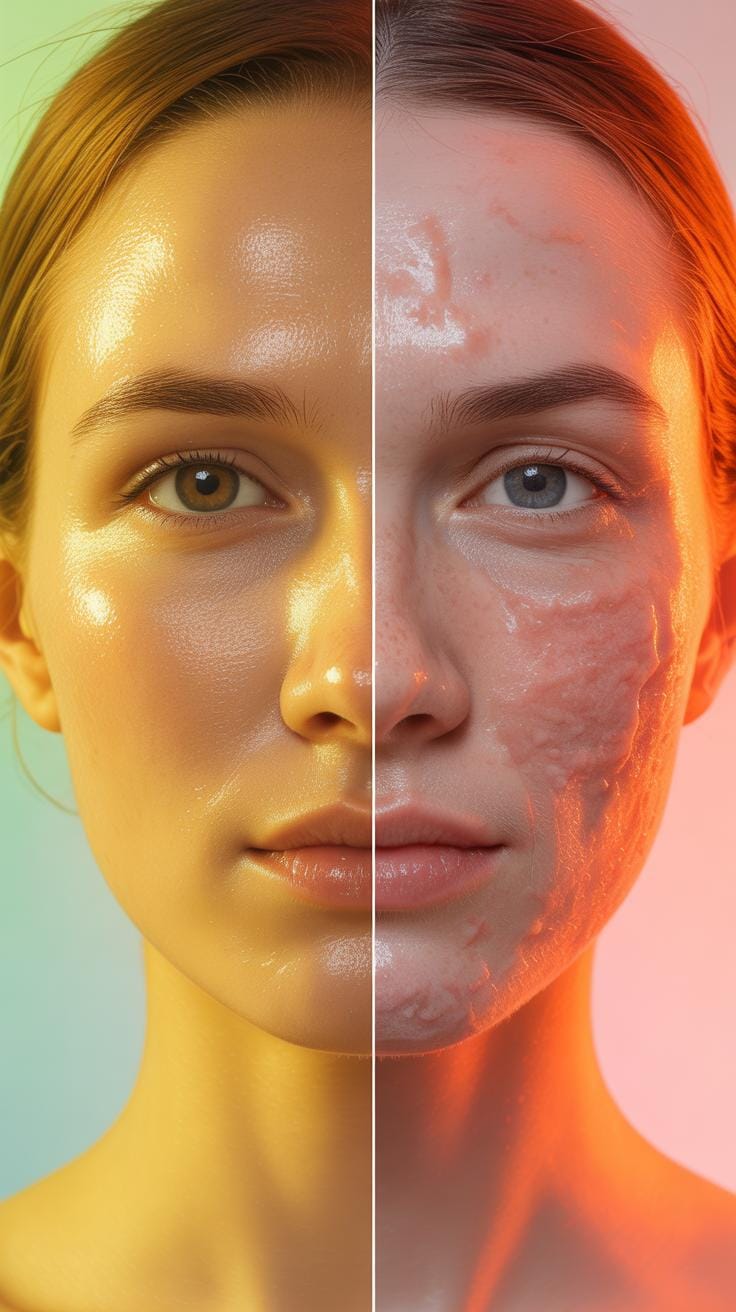
Understanding the Process and Purpose of Exfoliation
Exfoliation removes dead skin cells from the surface, revealing fresher skin underneath. This can brighten your complexion and help reduce clogged pores, which often cause breakouts. Think of it as hitting the refresh button for your skin, although it’s not something to overdo. The goal is smoother, more radiant skin—but the way you get there matters a lot.
There are two main types: mechanical exfoliation, where you physically scrub the skin with something gritty like a scrub or brush, and chemical exfoliation, which uses acids or enzymes to dissolve dead skin. Both have their place. Some people swear by scrubs for the immediate sensation and visible results, while others prefer chemical exfoliants, especially for sensitive or acne-prone skin.
Yet, exfoliation carries risks if done incorrectly. Too much scrubbing, or using strong acids without caution, can irritate, inflame, or even damage your skin barrier. That’s why cautious, gentle methods usually work better than aggressive ones.
When To Exfoliate
How often you should exfoliate depends largely on your skin type and current condition. For example:
- Dry or sensitive skin might only need exfoliation once a week—or even less—to avoid irritation.
- Normal or combination skin can handle two to three times per week.
- Oily or acne-prone skin often benefits from more frequent, but very gentle, exfoliation—sometimes every other day.
Notice I said “might” and “can”—you really have to listen to your skin, too. Sometimes, what your skin needs changes with the seasons or stress levels. Over-exfoliating often shows itself in redness, tightness, or flakiness. So, if your skin starts yelling at you, back off or switch to a gentler product.
Choosing Safe Exfoliants
Picking the right exfoliant isn’t just about what has the strongest claims on the label, but what suits your skin’s tolerance. Look for products with ingredients like:
- Alpha hydroxy acids (AHAs) such as glycolic or lactic acid for surface-level exfoliation and hydration.
- Beta hydroxy acid (BHA), mainly salicylic acid, especially good if you have oily or acne-prone skin.
- Enzyme exfoliants from fruits like papaya or pineapple, which are milder and often less irritating.
Avoid rough scrubs with large or sharp particles, like crushed nutshells, which can create microtears in your skin. That might sound harsh, but trust me, some popular scrubs can be surprisingly damaging after repeated use. If your skin reacts negatively, switch to chemical options and patch-test before fully incorporating any product.
Knowing when to exfoliate, how often, and with what, is really a matter of trial and error combined with paying close attention to your skin’s reactions. It’s not exact science, but with care, it can make a big difference.
Hydration Through Lifestyle Choices

Skin hydration isn’t just about the creams and serums you apply; it’s closely tied to how you live your life every day. Water intake plays a big role, sure, but it’s not the whole story. You might think drinking eight glasses will fix dry skin instantly—but it’s more complex than that. Your cells need water to function, yes, but equally important is how well your body retains and circulates that hydration.
Sleep also factors in. When your body rests, it repairs cells, including those in your skin. Poor sleep can leave your skin looking tired and dull—sometimes dehydrated—even if you’ve been drinking water all day. Similarly, what you eat affects hydration levels. Foods rich in vitamins and minerals support your skin’s barrier, helping it hold onto moisture better.
Water Consumption Impact
Drinking enough water keeps your skin supple, though the connection isn’t always instant or obvious. If you’re dehydrated—that often happens without you realizing it—your skin can appear flaky or tight. But, interestingly, just chugging water when your skin feels dry might not help if your body isn’t absorbing or distributing it properly. You need consistent hydration throughout the day, not just skimming the surface.
Many people overlook how environmental factors or activity levels affect hydration needs. If you’re active or in a dry climate, your body loses more water, so your skin might require more careful attention. Remember, water fuels internal processes that keep skin cells alive and plump. So it’s not just about ‘flushing,’ but maintaining the right balance.
Nutrition And Skin Health
Your diet supplies nutrients that support hydration indirectly by strengthening your skin’s natural barrier. Vitamins like A and C encourage collagen production and repair, which helps skin hold moisture. Omega-3 fatty acids, found in fish and flaxseeds, reduce inflammation and improve skin elasticity. Zinc and antioxidants combat damage that can dry out your skin.
If your meals lack balance, your skin might suffer even if you apply hydrating products. For example, not getting enough vitamin E can lead to dryness and irritation. Sometimes I wonder if focusing too much on topical treatments takes away from the bigger picture—nutrition and lifestyle need more attention in skin care routines.
What if you adjusted diet and hydration habits first before tweaking your cream choices? It might feel slower, but those foundations really matter. Have you noticed changes in your skin when you’ve eaten well or slept more? Often, those shifts reveal just how lifestyle choices reflect on your skin’s hydration and overall wellness.
Product Labels And Selection

Reading product labels can feel like deciphering a secret code, right? You look at the fine print and encounter long chemical names or vague claims like “dermatologist tested” or “all-natural,” which might not mean much on their own. To make sense of this, start by focusing on the ingredient list rather than marketing buzzwords. Ingredients are usually listed from highest to lowest concentration—so the first few are what your skin will mostly interact with.
For example, if you want hydration, look for humectants like glycerin or hyaluronic acid near the top. If acne control is your goal, see if salicylic acid or benzoyl peroxide features prominently. Don’t be thrown off by fancy packaging or catchy slogans; they don’t always translate to better results.
Key Ingredients To Know
Some ingredients keep popping up because they have proven effects. Retinol helps with cell turnover and can reduce fine lines but might irritate sensitive skin—so use with care. Vitamin C brightens and evens out skin tone; it’s a classic antioxidant but can feel unstable in some formulas. Salicylic acid gently exfoliates and unclogs pores, great for acne-prone skin.
Other names to watch for include niacinamide, which soothes and balances oil production, or ceramides that help restore your skin’s barrier. Knowing a bit about these can steer you toward what really matches your needs. Yet, even a good ingredient can fail if it doesn’t fit your skin type or if the product’s pH is off.
Avoiding Harmful Products
Some ingredients cause more harm than good, especially if your skin is sensitive. Alcohols like denatured alcohol can dry out and irritate. Fragrances and essential oils might smell nice but often bring redness or allergic reactions.
It might be tempting to grab every new “miracle” formula, but sometimes, simpler is better. Avoid sulfate-based cleansers if your skin feels tight afterward, and steer clear of parabens and phthalates if you’re cautious about longer-term effects. Listen to your skin’s reaction. If a product causes stinging or excessive dryness, it’s probably best to stop using it—even if others rave about it.
Product labels won’t always be clear or honest, so becoming your own expert on ingredients is a worthwhile investment. Asking yourself what your skin truly needs can save you from unnecessary purchases and those frustrating moments when you wonder why your skin isn’t improving.
Routine Setup Checklist Simple Steps to Build Your Daily Skin Care

Creating a daily skin care routine doesn’t have to feel overwhelming. Here’s a straightforward checklist to get you started and keep things manageable:
- Cleanser: Start with a gentle cleanser to remove dirt and oil.
- Toner: If you use one, apply toner to refresh and prep skin.
- Treatment products: This includes serums or spot treatments—apply these on clean, dry skin.
- Moisturizer: Lock in hydration with a moisturizer suited to your skin type.
- Sunscreen: Finish with sunscreen every morning, no exceptions.
- Organize products: Keep your routine visible—put items on your bathroom counter or on a designated shelf.
- Use containers or trays to separate morning and evening products to avoid confusion.
When your products are easy to find and in logical order, you’re less likely to skip steps, which I’ve noticed makes a big difference. Don’t hoard everything—keep your routine simple.
Step Order Explained
The order in which you apply products does matter. Think of it like layering clothes: you put thin layers under thick ones. Start with the lightest texture to the heaviest.
For example, serums generally go on before creams because they’re lighter and absorb better on clean skin. Skipping or switching these steps might reduce how well your products work; I remember trying to use heavy moisturizer first and then serum—it just felt greasy and didn’t sink in well.
Also, sunscreen always goes last in the morning because it needs a clear barrier on your skin to be effective.
Adjusting Routine Over Time
Your skin isn’t the same year-round, so it’s normal to switch up your routine. In winter, you might want richer moisturizers because your skin gets drier. In summer, lighter lotions and more frequent cleansing may work better.
Pay attention to how your skin reacts. If you notice increased dryness, oiliness, or new breakouts, consider tweaking your products or their order. For example, I once swapped a thick cream for a gel moisturizer in spring and saw immediate relief from clogged pores.
Adding or removing products as concerns change—like introducing an exfoliant for dullness—is also fine. The key is listening to your skin, not sticking rigidly to one setup because you once read it somewhere.
Avoiding Common Skin Care Errors

When it comes to daily skin care, more isn’t always better. Using too many products or applying them in excessive amounts can actually backfire. You might think layering on every serum and cream will speed up results, but it often overwhelms your skin. This overload can clog pores, cause irritation, or create an imbalance that makes your skin act up instead of calming down. It’s kind of like your skin gets confused—too many ingredients at once can trigger sensitivity or dryness rather than helping it glow.
Then there’s the frequent mistake of skipping sunscreen. It’s easy to forget, especially if you don’t plan to spend time outside, but UV exposure sneakily damages your skin even on cloudy days or indoors near windows. Without protection, sun exposure leads to premature aging, uneven tone, and even increases the risk of skin cancers. And it’s not just about wrinkles; the sun breaks down collagen and weakens your skin’s natural barrier, making everything else you apply less effective. Think of sunscreen as the one daily product you absolutely shouldn’t skip, no matter what your routine looks like.
So, what’s the takeaway? Use fewer products in moderate amounts and always, always apply sunscreen. It might sound simple, but honestly, that’s where many people go wrong. Have you ever noticed your skin reacting badly after introducing several new products at once? Or wondered why your skincare never seems to protect against sun damage, even if you’re careful with moisturizers? This might just explain it.
Skin Care Tools And Their Uses

When it comes to your daily skin care routine, the right tools can make a noticeable difference. Simple items like gentle cloths help remove dirt without irritating the skin. Then, there are exfoliating brushes, which, used carefully, can lift away dead cells and brighten your complexion. But be cautious—too much scrubbing might do more harm than good.
Applicators, such as silicone brushes or small spatulas, are handy for spreading creams and serums evenly, making sure you don’t waste any product. I found that using a soft cloth for cleansing feels milder than cotton pads, which can sometimes be rough.
Choosing Skin Care Tools
Your skin’s sensitivity should really guide your choices. If you have dry or reactive skin, avoid harsh brushes and lean towards ultra-soft cloths or silicone applicators. For oily or combination skin, a gentle exfoliating brush once or twice a week could work without overwhelming your skin.
It’s not always clear-cut though. Sometimes what’s perfect one day feels wrong the next. If a tool causes redness or discomfort, it’s probably best to stop using it—even if you read somewhere it’s great for your skin type.
Maintenance And Hygiene
Keeping your skin care tools clean is something many overlook, but it can’t be stressed enough. Dirt and bacteria accumulate quickly on brushes and cloths. I usually wash my brushes twice a week with mild soap and let them air dry. Wet tools left unattended can become breeding grounds for skin problems.
Replace cloths regularly and avoid sharing tools with others. Even the best routines can backfire if the tools aren’t clean. It’s a small effort, yet it could save you from unexpected breakouts or irritation.
Examples Of Effective Routines

Routine For Oily Skin
If your skin tends to get oily quickly, keeping it clean and controlling shine is key. Start with a gentle foaming cleanser twice a day to remove excess oil without stripping moisture. You don’t want something harsh that makes your skin overproduce oil later—it’s a tricky balance. Follow with a lightweight, oil-free moisturizer. Yes, even oily skin needs hydration, but the wrong cream can feel greasy and cause breakouts.
In the morning, consider a mattifying sunscreen to protect your skin without adding shine. Some people skip moisturizer altogether, but that often backfires. At night, you might want to add a salicylic acid toner or serum to help keep pores clear. Just be cautious—if you overdo it, your skin might get irritated, which can lead to more oil production. Finding the right amount of products can be a bit of trial and error.
Routine For Dry Skin
Dry skin feels tight and flaky, so hydration has to be the focus. Use a creamy, non-foaming cleanser that won’t strip natural oils. It might seem slower at first, but skipping harsh scrubs helps protect your skin’s barrier. After cleansing, gently pat your face dry—rubbing can only worsen dryness.
Next, apply a rich moisturizer, ideally with ingredients like ceramides or hyaluronic acid. These help lock in moisture throughout the day. You might like layering a hydrating serum underneath for an extra boost. Nighttime calls for a more nourishing cream that you don’t mind leaving on for hours. Oil-based treatments can work well here if you can tolerate them.
Sometimes, using a humidifier in your room can help maintain skin moisture. It’s odd how environmental factors matter so much. If your skin feels itchy or uncomfortable, you might want to simplify your routine further, avoiding fragrances or acids until your skin calms down.
Conclusions
The daily skin care routine relies on consistent habits like cleansing, moisturizing, and protecting your skin. These steps form the foundation for maintaining healthy skin barrier function, hydration, and preventing damage from external factors. By following the outlined routine regularly, you support your skin’s natural processes and avoid common skin problems.
Remember, choosing the right products and using them in the correct order can enhance benefits. Stay attentive to your skin’s needs and adjust your routine as necessary. With commitment to these simple and clear steps, achieving glowing skin and overall skin wellness becomes manageable and effective.