
Stopping Pimples Before They Start
Pimples can appear suddenly and disrupt your day. Prevent Pimples Overnight With Effective Acne Overnight Tips can help you keep your skin clear and healthy. This article provides clear, easy-to-follow advice to stop pimples before they start, especially when you need fast results.
By adopting simple routines and using proven techniques, you can protect your skin from pimple outbreaks. The following chapters explore practical steps, natural treatments, and daily habits. You will find answers to common questions about preventing pimples and learn how to care for your skin every night.
Nightly Routine To Stop Pimples


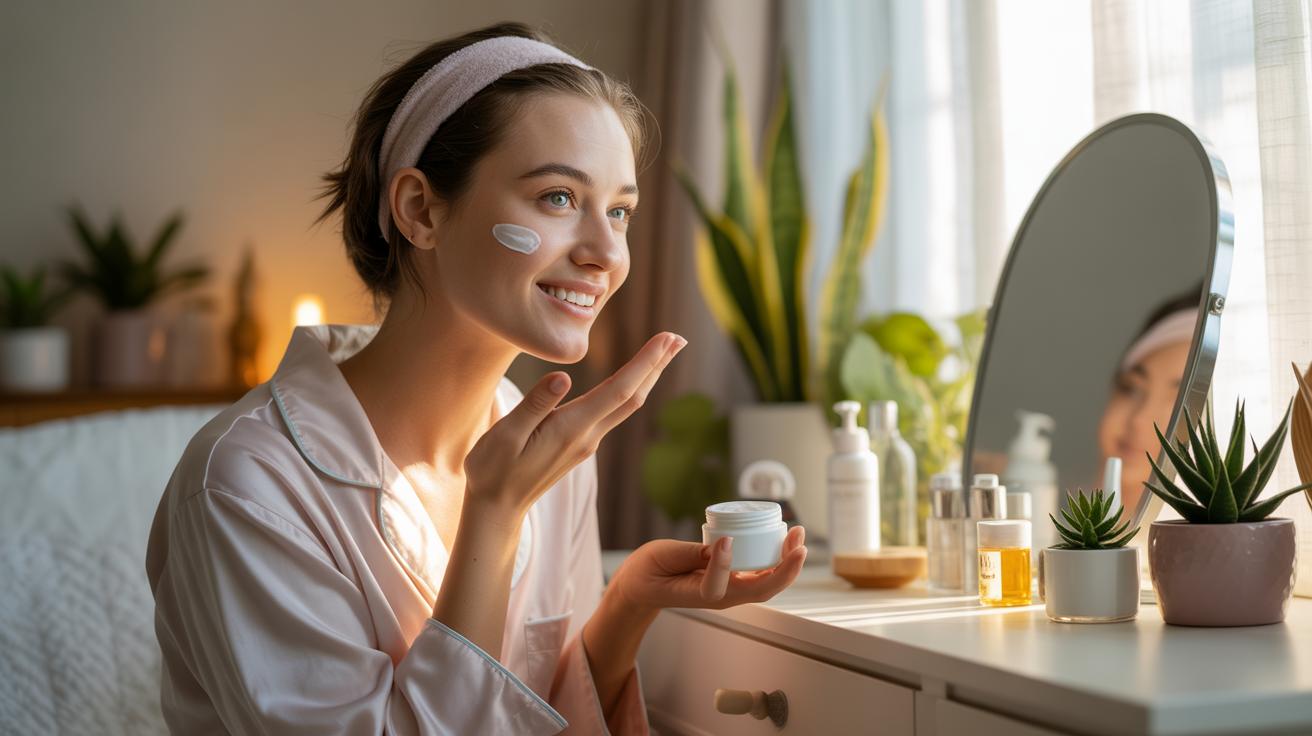
You might have heard that a good nightly routine is key to clearer skin, but what does that really mean? Before bed, it’s essential to give your face a proper cleaning, especially if you’ve been wearing makeup or sunscreen. Leaving those products on overnight can clog pores, which often leads to pimples popping up when you least expect them.

Start by gently washing your face to remove dirt, oil, and residue. Then, if you use makeup, take the extra step to fully remove it—it’s surprising how some people rush this and miss patches, which creates an acne-friendly environment. After cleansing, apply acne-fighting treatments. This is when ingredients like benzoyl peroxide or salicylic acid can work overnight on those blocked pores, calming inflammation and reducing bacteria.
Skipping any of these steps almost feels like undoing all the hard work your skin did during the day. Some nights, if you’re feeling lazy, you might forget, but over time, keeping this routine consistent makes a real difference. It’s not just about washing and applying products, it’s about making the effort—your skin responds to that daily commitment.
Why Washing Your Face Matters
Washing your face at night isn’t just habit. It’s about clearing away what your skin has trapped during the day—oil, sweat, pollutants, and old skin cells. Not doing this properly is like letting gunk build inside your pores, which obviously raises the chance of pimples.
Choosing a mild cleanser helps avoid irritation, which can sometimes make acne worse. Cleansers with gentle formulas—think cream or gel based, without harsh sulfates—usually work better than heavy scrubs that might damage skin or cause dryness. When you wash, use lukewarm water and avoid scrubbing hard. Just a gentle massage in circular motions feels enough.
Some people think washing twice is better than once but that’s not always true. Over-washing can strip skin, prompting more oil production. If your skin feels tight or dry after washing, you might be overdoing it or using the wrong product. It’s a bit of a balance that often takes some trial and error.
Choosing The Right Acne Products
Picking the right acne treatment can be confusing. Benzoyl peroxide and salicylic acid often get recommended, but they work differently. Benzoyl peroxide kills bacteria causing pimples; salicylic acid helps unclog pores by dissolving dead skin. You might need to test which suits your skin better, since some people find benzoyl peroxide too harsh or drying.
Applying these products the right way matters too. Usually, a thin, even layer on clean, dry skin before bed is best. Using too much can backfire—irritation might worsen acne or make skin flaky. Also, some treatments require building tolerance; starting slowly and increasing over time can help avoid redness.
Sometimes combining treatments works, but not all at once. For example, using salicylic acid cleanser with a benzoyl peroxide cream might be effective, but layering two harsh treatments overnight can stress skin. Listening to how your skin reacts and adjusting is key—there isn’t a one-size-fits-all answer.
Foods Linked To Pimple Outbreaks

Certain foods can seem harmless, but they might be stirring up your skin problems more than you realize. Dairy products, for example, often get the blame for causing pimples. Milk contains hormones that could trigger your skin to produce more oil, which sometimes clogs pores. It’s not always straightforward, though—some people drink milk with no fuss, while others find a flare-up follows every glass.
Sugary snacks are likely worse offenders. Eating too many sweets can spike your blood sugar quickly, leading to inflammation that shows up on your face as pimples. It’s tricky because we often don’t think about how those cookies or candies might be affecting our skin behind the scenes.
Switching to healthier alternatives could make a difference, even if you don’t stop all dairy or sugar cold turkey. For instance, instead of reaching for a chocolate bar, try fresh fruit for something sweet but less likely to cause breakouts. Nut butters or yogurt made from coconut or almond milk might satisfy cravings while being gentler on your skin.
How Sugar Affects Your Skin
When you consume lots of sugar, your body reacts with a spike in insulin. That hormone boost might overload your system, leading to increased oil production and inflammation—two main culprits behind pimples. Some people notice their skin reacts immediately after indulging in sugary treats, while others see more gradual effects. It’s one of those things that depends on your body’s response, which can be a bit unpredictable.
You might wonder if cutting out sugar completely is necessary. Maybe it helps some, but for others, just keeping sugar in check is enough to avoid flare-ups. The complexity of how sugar interacts with skin is still being studied, but reducing high-sugar foods tends to ease redness and shrinking bumps in many cases.
Healthy Snacks To Reduce Pimples
Choosing the right snacks can support clear skin unexpectedly. Here are some options that I think actually make a difference:
- Carrot sticks or cucumber slices: Low in sugar and high in water content, they hydrate your skin and don’t add to oil production.
- Mixed nuts: Especially walnuts and almonds, which contain omega-3 fatty acids known to reduce inflammation.
- Yogurt with berries: Probiotics in yogurt can promote a balanced gut, which might reflect in healthier skin. Berries provide antioxidants that fight free radicals.
- Avocado slices: Packed with vitamins E and C, which help skin repair itself and fend off damage.
It’s not foolproof, of course. Snacks that minimize pimples might not work exactly the same for everyone. But experimenting with these can feel less restrictive than eliminating entire food groups, and could gently nudge your skin toward fewer breakouts.
Protecting Skin From Pimple Triggers
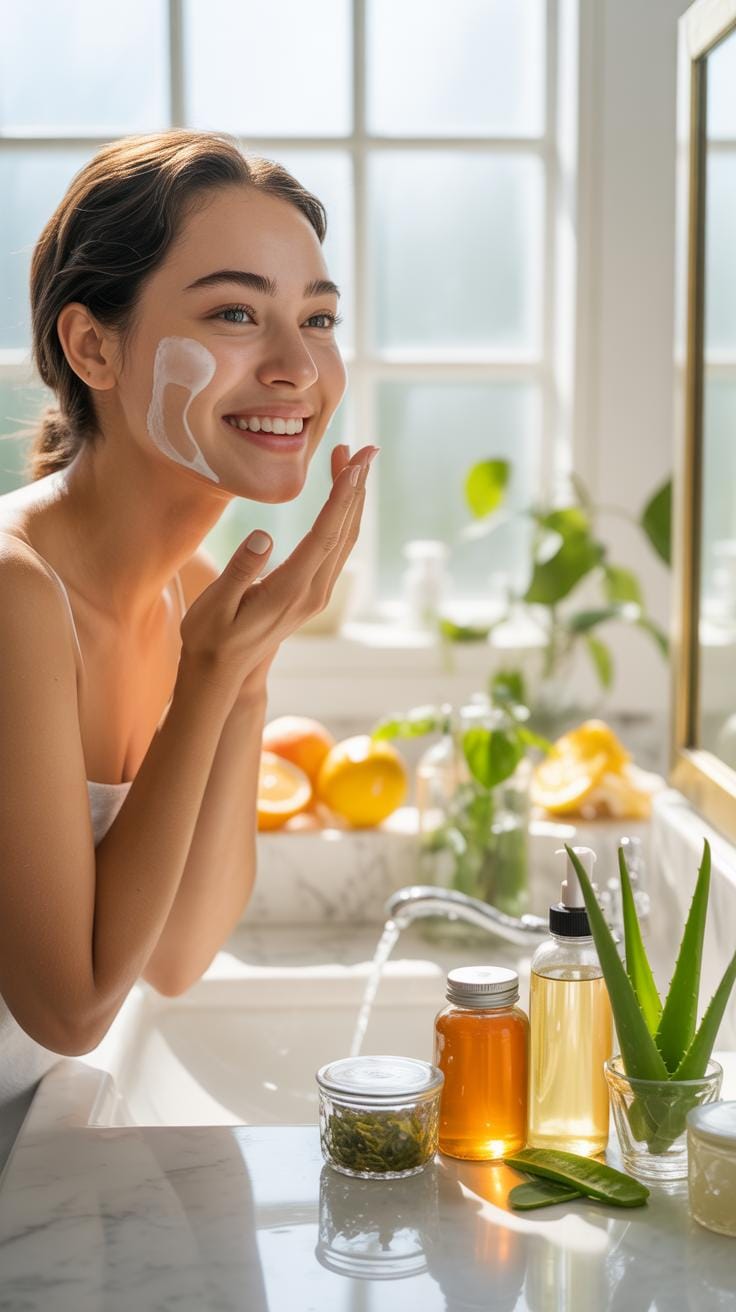
You might not realize it, but some everyday habits can quietly invite pimples onto your skin. Take touching your face, for instance. We all do it—resting our chin on a hand, rubbing an itch, or even unconsciously picking at a spot. Each time you do, you risk transferring dirt, oil, and bacteria from your hands, which can clog pores and cause breakouts. It’s surprisingly hard to stop, but being mindful helps—try keeping your hands busy or using a clean tissue if you need to touch your face.
Stress plays a sneaky role too. When you’re stressed, your body releases hormones like cortisol that can increase oil production, leading the skin to become more prone to pimples. Managing stress may sound easier said than done, but simple steps like short walks, breathing exercises, or even a few minutes of quiet can ease that tension. It’s a bit like giving your skin a chance to reset.
And let’s not forget your pillowcases. They collect oils, sweat, and dead skin cells overnight. If left unchanged for too long, all that grime transfers back onto your face, creating a perfect environment for pimples. Changing pillowcases at least twice a week makes a difference, and using gentle, fragrance-free detergent helps keep irritants away. You might notice fewer flare-ups when you keep this habit consistent.
Quick Remedies For Active Pimples
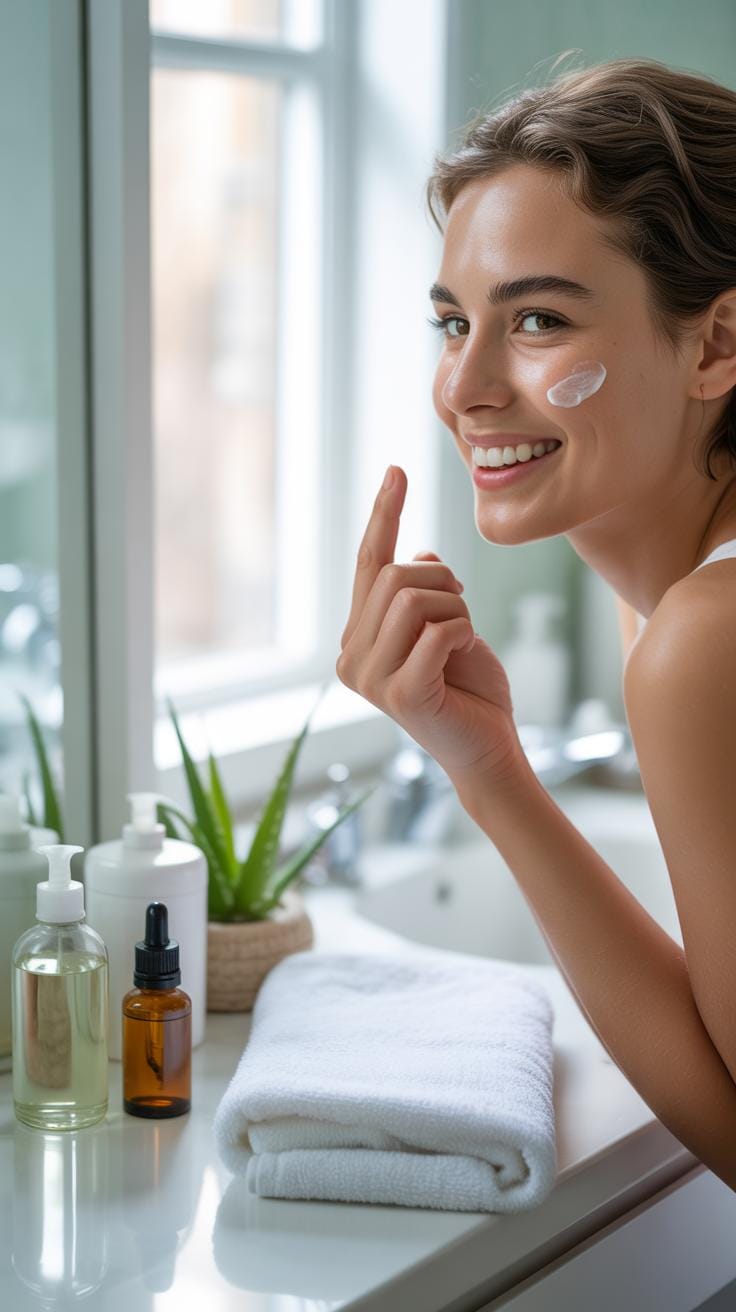
When a pimple flares up unexpectedly, it feels like there’s no time to waste. You want to calm the redness, shrink the bump, and hopefully avoid the dreaded overnight overnight spotlight it tends to claim. Some home remedies and products can help with this, though the results vary from person to person.
One simple trick I’ve found useful is using a dab of raw honey. It has natural antibacterial properties and can soothe irritated skin. Leaving it on for a few hours or overnight sometimes helps reduce inflammation, but I won’t pretend it always works for me. Tea tree oil is another popular choice — just make sure to dilute it properly before applying, or your skin might protest.
On the product side, those containing benzoyl peroxide or salicylic acid are often the go-to. They dry out pimples and clear pores but can be a bit harsh. So, if your skin is sensitive, maybe try a lower concentration, or apply only to the affected spot. Sometimes, a single good-quality spot treatment can make a noticeable difference by morning.
The real challenge is knowing what to pick and how your skin might react in a short time. Have you ever tried something that seemed to make things worse at first? It happens.
Using Ice To Reduce Swelling
Ice isn’t just for injuries—when a pimple swells, cold can help bring down the puffiness and redness fast. The trick is not to hold ice directly on your skin for too long, which can cause damage. Instead, wrap an ice cube in a soft cloth and press it gently on the pimple for about a minute. Take breaks to avoid over-cooling.
This method can temporarily numb the area and shrink blood vessels, reducing redness. It doesn’t clear the pimple itself, but if you have an event or just want to feel a little better looking before bed, it’s a quick fix. I usually do this a couple of times before applying any topical treatment, sort of prepping the skin.
Does it eliminate pimples completely? No, but it often keeps that angry, inflamed look at bay, which—let’s be honest—can sometimes feel like half the battle.
Applying Spot Treatments Correctly
Slapping on just any cream all over your face isn’t the answer for active pimples. Targeted application is key. After cleansing and drying your skin, apply a thin layer of spot treatment only on the pimple, not the surrounding skin. This focused approach minimizes irritation.
Before going to bed, make sure your skin is clean and dry—otherwise, the treatment won’t absorb properly. Sometimes, people overuse these treatments, thinking more product equals faster results. But often, that’s not true. Less can be more, especially since too much can cause peeling or redness.
Patience is important here. Resist the urge to cover the entire area or layer multiple products at once. If you’re unsure, try applying once before sleep and see how your skin responds by morning. It might take a few nights before you notice a clear difference, but often, you’ll wake to reduced swelling and redness.
Have you noticed how spot treatments sometimes make a pimple look worse initially? That can be part of the process, but if it gets painful or the area spreads, it’s worth reconsidering your approach.
Understanding Skin Types And Pimples
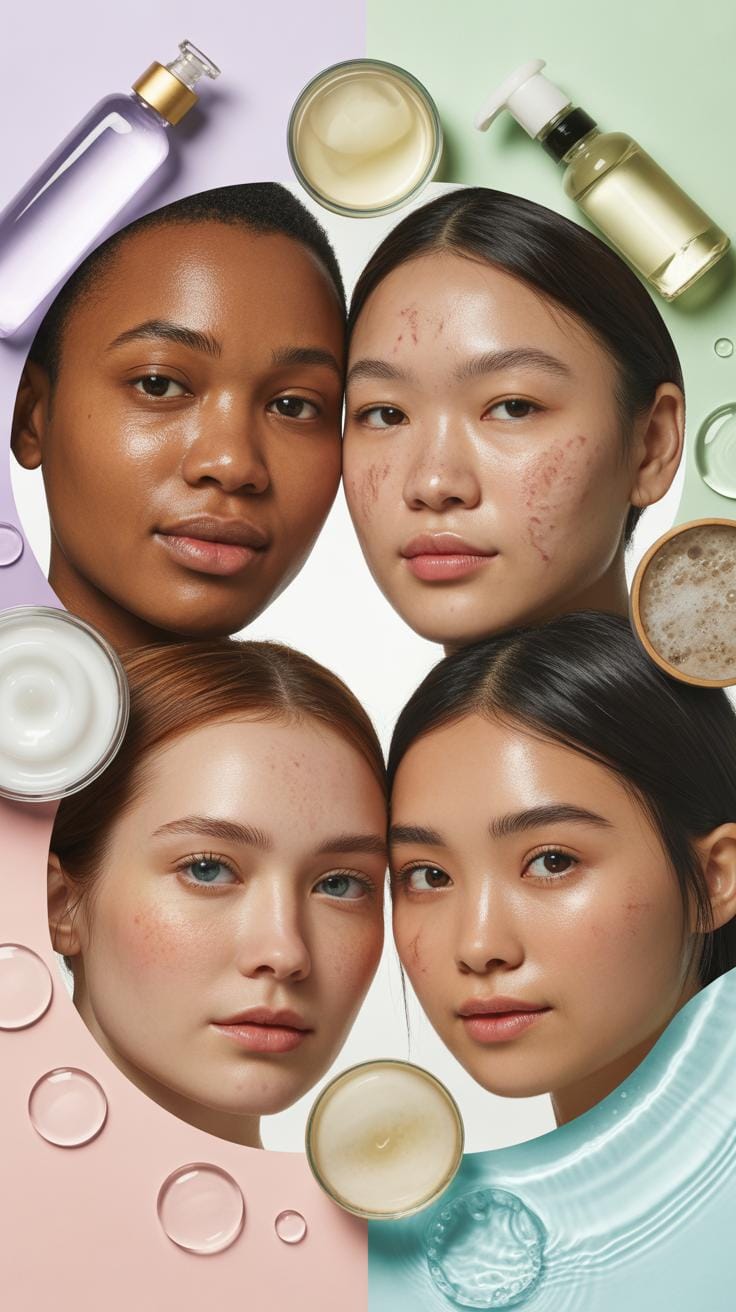
Skin types really shape how pimples form and how you should tackle them. Oily skin, for example, produces more sebum—which can clog pores and invite bacteria. But dry skin, surprisingly, isn’t immune; it can get irritated and inflamed, causing breakouts too. Combination skin mixes these traits, making care a bit tricky and often inconsistent.
If you have oily skin, your focus should be on controlling excess oil without stripping away moisture. Products with salicylic acid or benzoyl peroxide can work wonders. I remember trying a gentle foaming cleanser with salicylic acid—over time, it made a noticeable difference, though not overnight.
On the other hand, dry skin needs hydration first. Using harsh acne treatments without moisturizing can backfire, worsening pimples. Opt for lightweight, non-comedogenic moisturizers. Avoid anything too greasy, or you might feel clogged, but don’t skip hydration—it actually helps calm flare-ups.
Combination skin usually benefits from a balanced approach. Maybe treat oily areas with targeted products and gently hydrate dry patches. It’s a bit of trial and error, honestly, but tuning into your skin’s reactions makes prevention more manageable.
Tools To Help Clear Pimples Fast
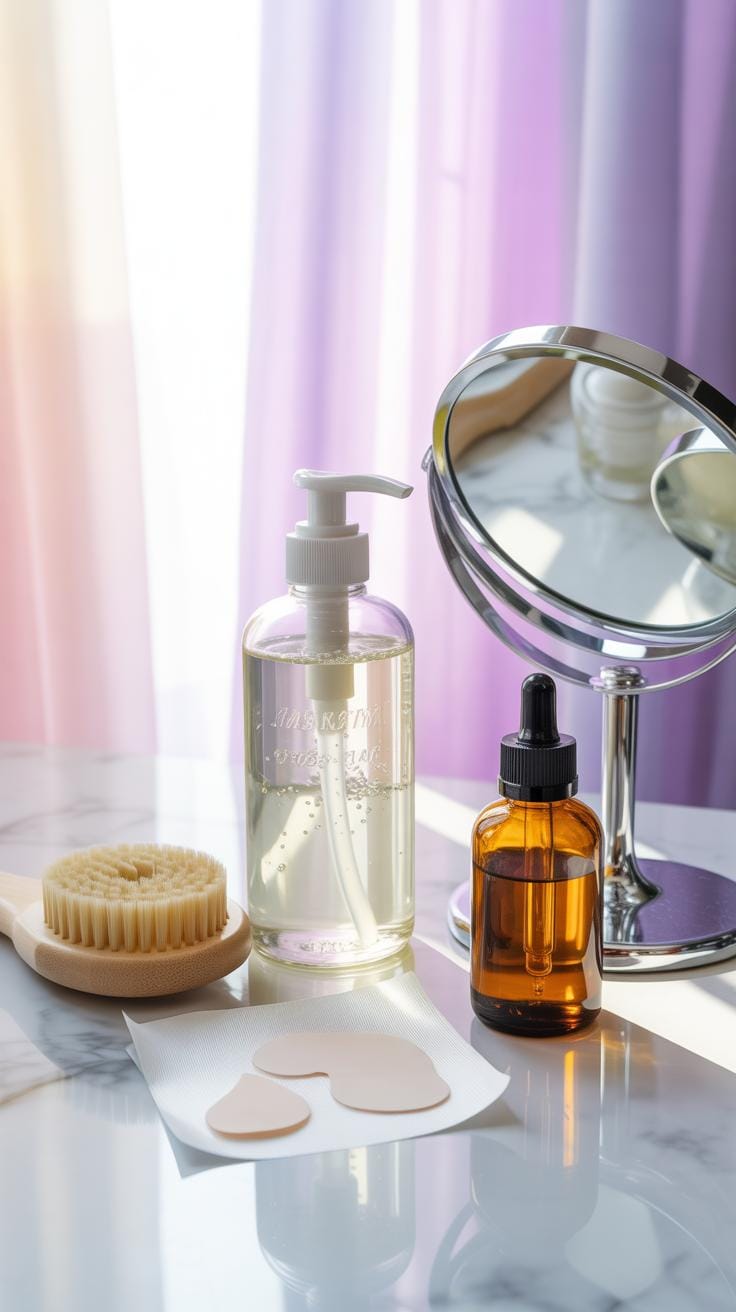
Facial Cleansing Brushes Use
Facial cleansing brushes can change how well you clean your skin. Think about it: regular washing with your hands often misses tiny bits of dirt and oil that hide in pores. Using a cleansing brush gently scrubs deeper and lifts impurities better than just rubbing with fingers.
Many people notice their skin feels smoother and less clogged after a few uses. That can mean fewer pimples because bacteria and excess oils don’t linger as long. But it’s not just about scrubbing hard—you want to keep things gentle. Rough overuse might irritate your skin and cause more breakouts, which seems counterproductive.
Trying a brush with soft bristles and a timer can help you keep track and avoid overdoing it. A few minutes daily or every other day might be enough. Think of it as a small upgrade to your cleaning routine rather than a complete overhaul.
Light Therapy Benefits For Acne
Light therapy for acne is more than just a trend. Devices that use blue or red light actually target the root causes of pimples. Blue light kills acne-causing bacteria on the skin, while red light reduces inflammation. This can shorten the lifespan of a pimple or prevent new ones from forming.
You might wonder if it’s worth trying at home or better saved for a dermatologist’s office. Well, there are at-home options that look like little handheld gadgets. They might not be as powerful as professional treatments but could still help if you’re consistent.
When considering light therapy, ask yourself if your acne is stubborn or inflamed. It’s often recommended for mild to moderate cases, especially when other treatments don’t fully work. Though, it’s a bit of a waiting game — results usually appear after several sessions over weeks.
Compare Home Remedies And Medicine
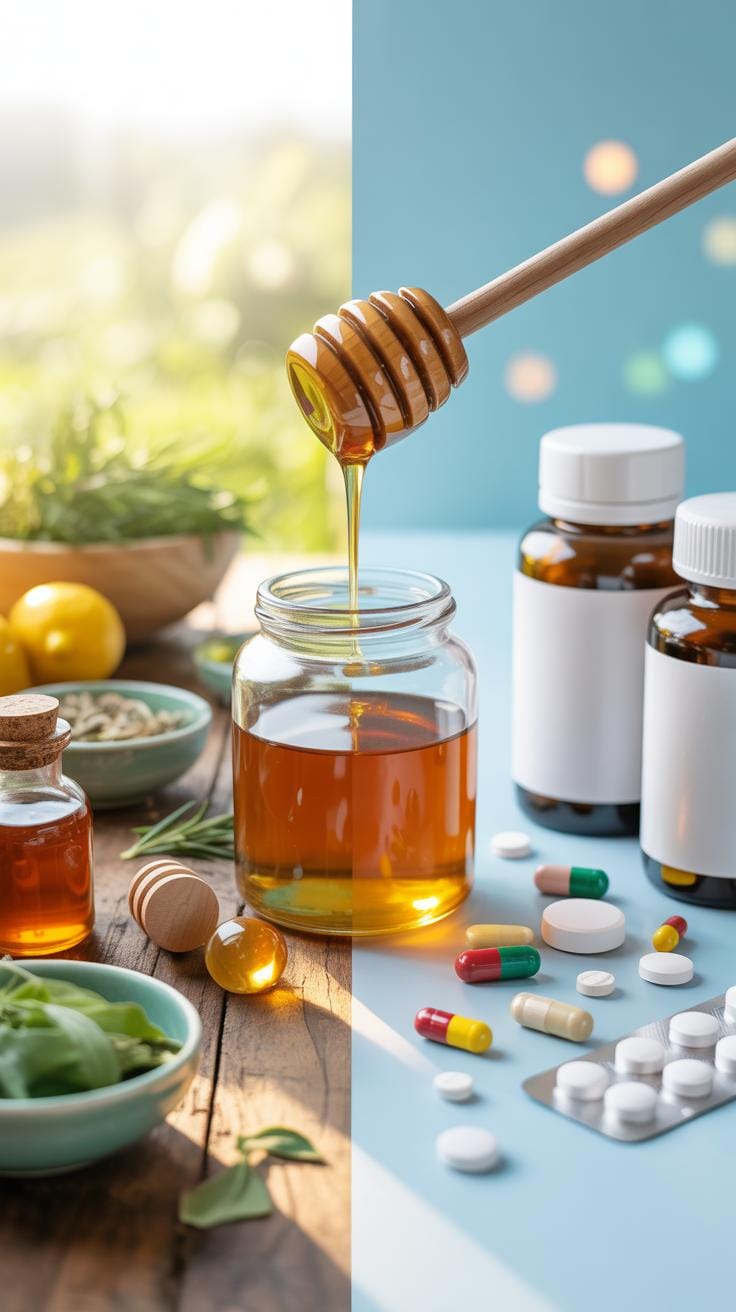
Are Natural Remedies Enough
Many people turn to natural remedies like tea tree oil or aloe vera for quick pimple relief. These options feel gentle, familiar even comforting. Tea tree oil, for example, has antibacterial properties, and aloe vera can soothe irritated skin. But do they really work to clear pimples overnight? Sometimes they do help reduce redness or calm inflammation, but often their effects are mild and take time. Plus, natural doesn’t always mean safe—tea tree oil can irritate sensitive skin or cause allergic reactions if not used cautiously.
On the other hand, these remedies don’t involve strong chemicals or depend on prescriptions, which makes them accessible and easy to try. But relying solely on nature can be frustrating when pimples persist—especially if your acne is persistent or severe, natural methods might barely scratch the surface.
When To Use Medical Treatments
Medical acne treatments come into play when pimples resist home remedies or become painful and widespread. Antibiotics, retinoids, and benzoyl peroxide aren’t just buzzwords—they target bacteria, unclog pores, and regulate skin cell turnover. You might hesitate, thinking these medicines sound harsh or worry about side effects, which is fair. Still, these treatments are often tested and proven to work faster and more reliably than natural options.
If your pimples are deep, inflamed cysts, or leave scars, that’s a sign to consider medical advice. These treatments also help prevent new pimples, not just calm current ones. Sometimes the difference between a few annoying spots and clear skin is whether you give medical options a chance or not.
So, natural remedies have their place, calming mild irritation and comforting your skin gently. But when acne turns stubborn, medical treatments might just be the step you need to take seriously.
Checklist For Preventing Pimples Every Night
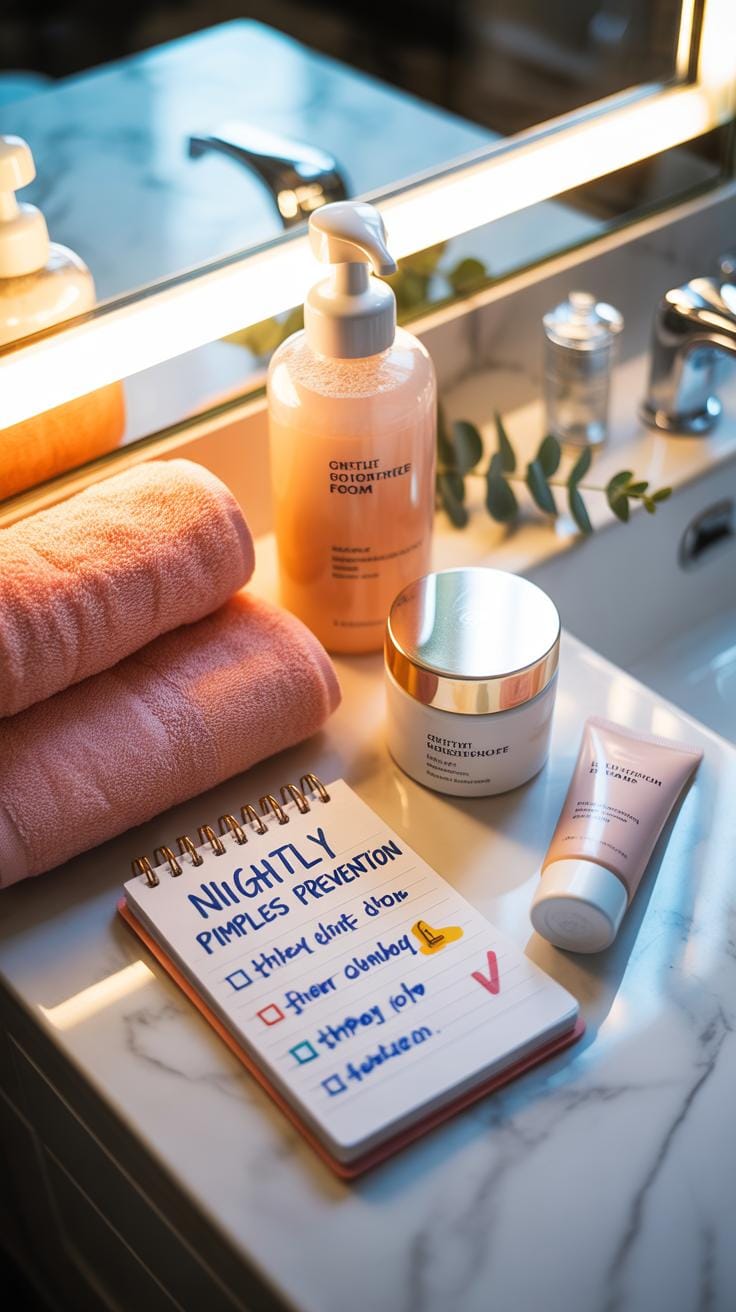
Steps To End Your Day Right
Before you crawl into bed, take a moment to follow these steps—it really helps keep pimples at bay. First, cleanse your face thoroughly with a gentle cleanser to remove dirt, oil, and makeup. Skipping this often leads to clogged pores, which nobody wants.
Next, apply a lightweight, non-comedogenic moisturizer. Even if your skin feels oily, dryness can trigger more oil production, so moisturizer is key. If you use any acne treatments, like benzoyl peroxide or salicylic acid, apply them after moisturizing—or as your product instructions say.
Make sure to change your pillowcases regularly, ideally twice a week. I know, it sounds trivial, but dirty pillowcases collect oils and bacteria that can worsen acne. Also, avoid touching your face with your hands in bed. It’s tempting to scratch or rub, but it just spreads bacteria.
Common Mistakes To Avoid
People often skip cleansing, thinking a quick wipe is enough. It’s not. Not washing your face properly leaves residue that clogs pores. Another big misstep is wearing makeup to bed. Even if you’re exhausted, makeup traps grime and bacteria overnight.
Over-exfoliating before sleep can irritate skin and cause breakouts. If it feels tight or sore, you’ve probably exfoliated too much. Also, don’t apply heavy creams or oils right before bed unless your skin calls for it; they can block pores and cause pimples.
Finally, ignoring your body’s hydration matters. Sometimes, pimples flare up because the skin is dehydrated and stressed. Drinking enough water throughout the day and keeping a routine every night really makes a difference—not instantly, but over time.
Real Examples Of Pimple Control Success

Success Story From A Teen
Alice, a 16-year-old high school student, struggled with sudden, frequent breakouts that left her frustrated. She tried a lot of products but never stuck to one routine for long. Then she decided to simplify things by washing her face twice a day with a gentle cleanser and using a spot treatment containing benzoyl peroxide overnight. That was it.
After just a few nights, she noticed the redness starting to fade. More importantly, no new pimples popped up. Alice also made sure to avoid touching her face throughout the day, which she admits was surprisingly hard at first. She didn’t change her diet dramatically but drank a bit more water and slept earlier. Combining these easy habits made a clear difference. Sometimes, the simplest tweaks can really work if you stick with them.
Adult Skin Care Wins
Mark, a 34-year-old office worker, dealt with occasional pimple outbreaks that worsened during stressful periods. His skin felt oily but also irritated when he used harsh acne products. Then, he switched to a lightweight, non-comedogenic moisturizer and a salicylic acid-based cleanser used every evening. He was careful not to over-exfoliate and added a nighttime retinol cream gradually.
This steady, moderate approach helped calm his skin without drying it out. Pimple flare-ups became less frequent, and existing bumps healed faster. Mark noticed that consistent care made more impact than quick fixes. His experience shows that even adult skin benefits from gentle, regular maintenance and patience. It made him wonder why he hadn’t tried this routine sooner—sometimes you have to learn the hard way.
Conclusions
Clear skin does not require complicated solutions. By following the tips shared here, you can prevent pimples from showing up overnight. Regular skincare, good hygiene, and natural remedies work together to keep your skin calm. Remember, small changes in your routine deliver big benefits.
Try the methods suggested and see what works best for your skin. Protecting your face from pimples starts with the choices you make every day. Stay consistent with your care, and enjoy the confidence that comes with healthy, pimple-free skin.