
What’s Behind Korean Skincare Habits
Korean skin care secrets offer valuable insights to achieve a healthy and glowing complexion. These secrets go beyond simple products. They focus on consistent skin care habits that nourish and protect your skin.
This article covers practical steps, ingredients commonly used in Korean routines, and tips for creating skin care habits that work. By learning these, you can improve your skin’s condition and appearance effectively.
Daily Korean Skin Care Routine

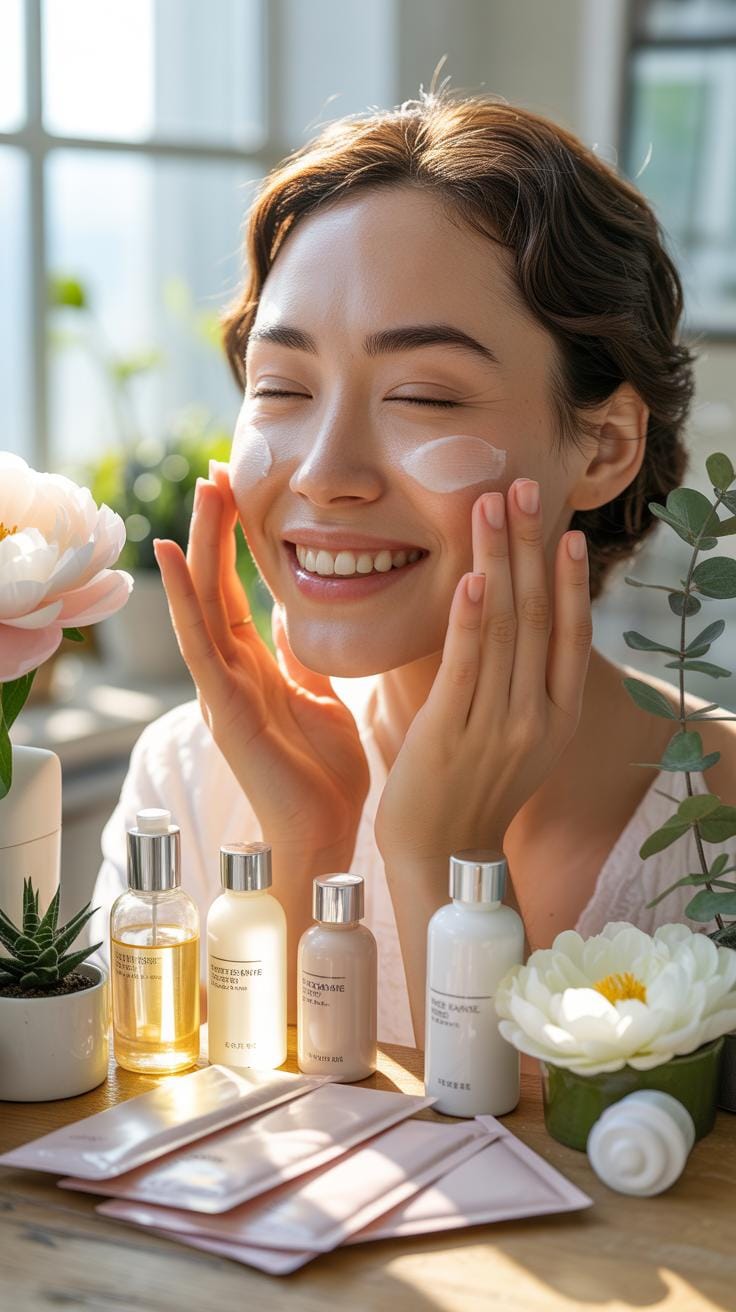
The typical Korean skin care routine looks quite detailed, but each step has its own purpose. It usually starts with double cleansing—an oil-based cleanser first to break down makeup and impurities, then a water-based cleanser to get rid of leftover residue. This helps prevent clogged pores and dullness without stripping the skin.

Next comes toning, which is not just about removing leftover cleanser. It preps the skin to absorb the products that follow, balancing pH and hydrating simultaneously. Following that, essence plays a subtle but unique role. Think of it as a lightweight hydrator loaded with active ingredients that boost cell turnover and moisture.
After essence, serums or ampoules deliver concentrated benefits based on your concerns—brightening, anti-aging, or calming, for example. Moisturizing seals everything in, creating a protective barrier. Finally, sunscreen shields the skin from damage and premature aging during the day. Skipping it defeats much of the effort.
Each step matters because your skin is treated gently and consistently throughout the day. Missing one often means less effective results or imbalanced skin. The layering also allows for customizing products, so you address several issues at once without overdoing it.
Step By Step Skin Care Process
Starting with double cleansing—you want to gently massage the oil cleanser on dry skin, dissolving makeup and sunscreen. Rinse, then apply a water-based cleanser to clear out sweat and dirt. Try to avoid harsh rubbing; gentle circular motions work better.
When toning, apply it with your hands or a cotton pad. Pat it in instead of wiping. You’ll notice it softens the skin and makes it more receptive.
The essence is usually a watery or slightly thick liquid. Pour a small amount into your palm and press it into the face. It feels like a hydration boost rather than a heavy layer, which many people underestimate.
Serums are next. A pea-sized amount suffices because they’re potent. Be mindful of layering—heavier creams after thinner serums keep things balanced. Moisturizers should feel nourishing, not suffocating. For sunscreen, get a broad-spectrum one and apply generously. It’s one step that can feel tedious, but trust me, skipping it won’t pay off.
Choosing Ingredients For Your Skin
Your skin type and issues guide ingredient choices though, honestly, it’s rarely black and white. For example, green tea is great for oily or sensitive skin thanks to antioxidants and soothing properties. Snail mucin sounds odd, but it’s packed with healing and hydration benefits—some swear by it for scars and texture.
Hyaluronic acid is nearly a must-have if you want deep hydration without heaviness. Dry skin might crave ceramides and oils, while acne-prone skin often benefits from ingredients like tea tree or centella asiatica to calm inflammation.
Personally, I find it helpful to test one new ingredient at a time. It’s tempting to try every trending product, but that can overwhelm your skin—or your patience. Also, sometimes what works changes with seasons or stress levels. So, stay flexible.
Benefits Of Long Layered Application
Layering Vs Single Application
Applying multiple thin layers of skincare products often feels more gentle and manageable compared to slathering on one thick layer. When you use many light layers, each product settles evenly, reducing the risk of clogging pores or creating a greasy film. This usually means your skin texture stays smoother, with less chance of irritation or heaviness.
On the other hand, a single heavy application might seem quicker, but it can overwhelm your skin. The thick coating sits on top and may not absorb well, leaving residue behind. That can sometimes cause the skin to feel sticky or heavy and might interfere with how active ingredients work. Still, some people might prefer a single layer if they’re in a rush or if the product is designed to be rich, but generally, layering helps your skin breathe better.
Hydration And Absorption Insights
Layering actually aids your skin in absorbing ingredients more deeply. When you put on a thin layer, it’s easier for the skin to integrate whatever’s in the product before moving on to the next step. Repeated light layers gradually boost hydration, since water-based formulas can penetrate each level of your skin rather than just sitting on top.
Your skin’s outer layer, the stratum corneum, acts like a barrier. It doesn’t soak up everything all at once. But by applying products slowly, you allow moisture and beneficial ingredients to seep through multiple layers. This helps maintain skin elasticity and overall health better than just a single thick coat which might block absorption.
When I first switched to layering, I noticed my skin felt plumper and fresher. It’s almost like giving it time and space to drink in each product, rather than overwhelming it with too much at once. You might find it a bit tedious at first, but the payoff in glow and smoothness could be worth it. Have you tried layering your skincare before? What was your experience like?
How To Customize Korean Skin Care
Not everyone’s skin responds the same way to the typical Korean skin care routine. You might find that some steps work wonders, while others feel unnecessary or even irritating. The trick is to listen—really listen—to how your skin behaves and adjust accordingly.
For oily skin, double cleansing can help, but skipping heavy creams might be better. Instead, stick to lightweight moisturizers and gel-based products that hydrate without clogging pores. Dry skin, on the other hand, craves richer creams and oils. You could add a nourishing face oil after serum, especially in the evening. Sensitive skin often reacts to fragrances or strong actives, so cutting back to gentle formulas and fewer layers can make a big difference.
Skin Type Adjustments Checklist
- Oily skin: Look for a shiny T-zone, larger pores, occasional breakouts. Choose oil-free, non-comedogenic products and consider skipping heavy moisturizers.
- Dry skin: Notice flaky patches, tightness, dullness. Use hydrating toners, creamy moisturizers, and add facial oils.
- Sensitive skin: Watch for redness, itching, or burning after product use. Opt for fragrance-free, minimal ingredient lists. Avoid exfoliants if irritation occurs.
- Combination skin: Target oily areas with light, mattifying products while using richer formulas on dry patches.
Observe your skin’s response every few weeks. If something feels off—maybe increased dryness or breakout flare-ups—don’t hesitate to swap or remove that product temporarily.
Seasonal Routine Changes
Seasons impact skin more than we sometimes realize. During colder months, your skin might crave heavier creams to fight dryness and harsh winds. Switching from a watery toner to a hydrating essence or layering a sleeping mask in winter can help.
In warmer months, peeling back some layers is often necessary. Maybe reduce the use of thick emollients or rich oils and opt for lighter gels or lotions instead. Ingredients like niacinamide or green tea extract work well year-round, but more antioxidants in summer can defend against sun exposure.
Don’t forget about SPF—even if you think you’re inside more. Sun damage sneaks in through windows and even on cloudy days, so adjust your sunscreen according to your activity and season.
Practical Skin Care Tools Explained
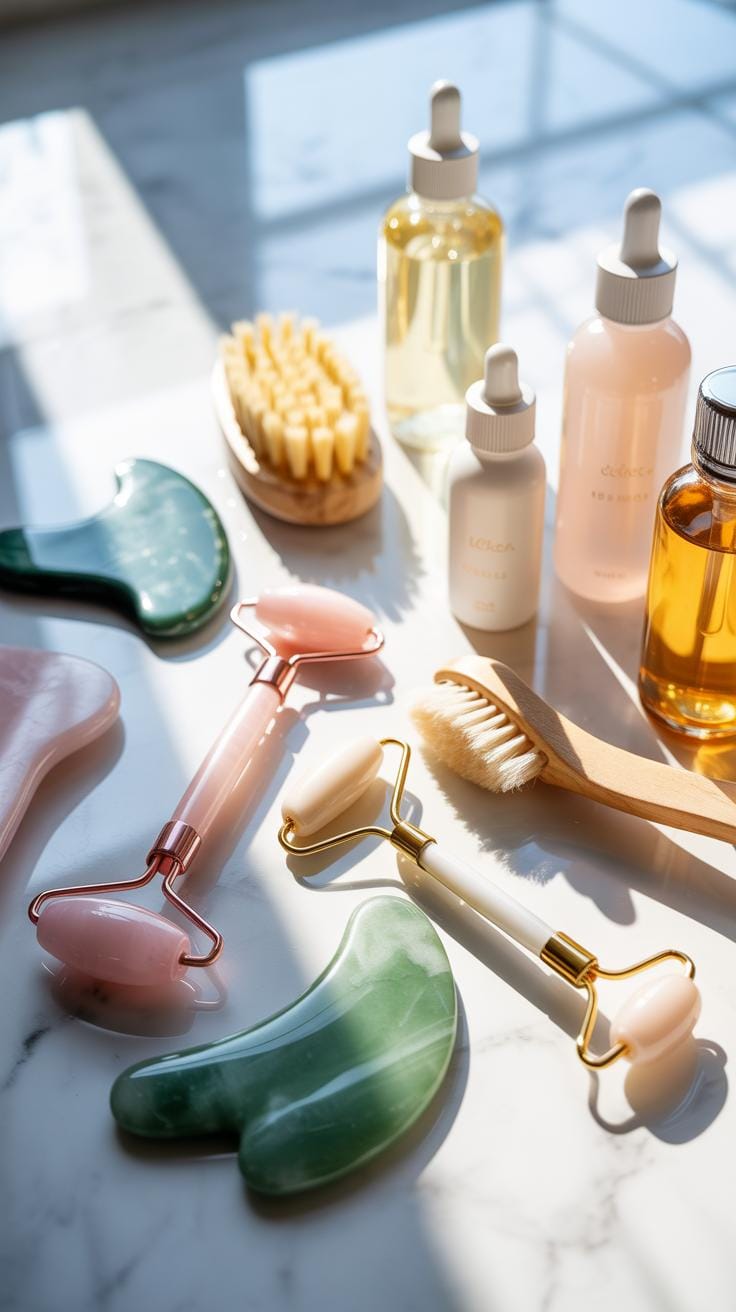
Korean skin care often involves a few handy tools that might seem simple but can make a noticeable difference when used right. Take jade rollers, for example. These cool stones aren’t just for looking pretty; they’re meant to stimulate circulation and help your products absorb better. You roll them gently over your face, starting from the center going outward. You don’t need to press hard—light pressure is enough. Using it cold can add a soothing effect, especially in the morning.
Sheet masks have become almost a ritual in Korean routines. These are fabric or gel sheets soaked in serum, designed mostly for hydration and brightening. You apply one on a clean face, leaving it on for about 15-20 minutes. It’s tempting to wear it longer, but that can actually dry your skin out. Choosing a good sheet mask means checking for fewer synthetic ingredients and more natural extracts, but honestly, some of the popular ones do a great job even if they’re not 100% natural.
Lastly, exfoliating pads—these pre-soaked cloths usually contain gentle acids, like AHA or BHA. They’re handy if you want to exfoliate without harsh scrubbing. You swipe them over your face 2-3 times a week, depending on your skin’s tolerance. Physical scrubs exist too, but they can be tricky; if the grains are too coarse or you rub too hard, you might irritate or damage your skin. Chemical exfoliants can feel safer if used right, but always watch for redness or dryness. It’s a balancing act, really, figuring out what your skin can handle without overdoing it.
Common Pitfalls In Korean Skin Care
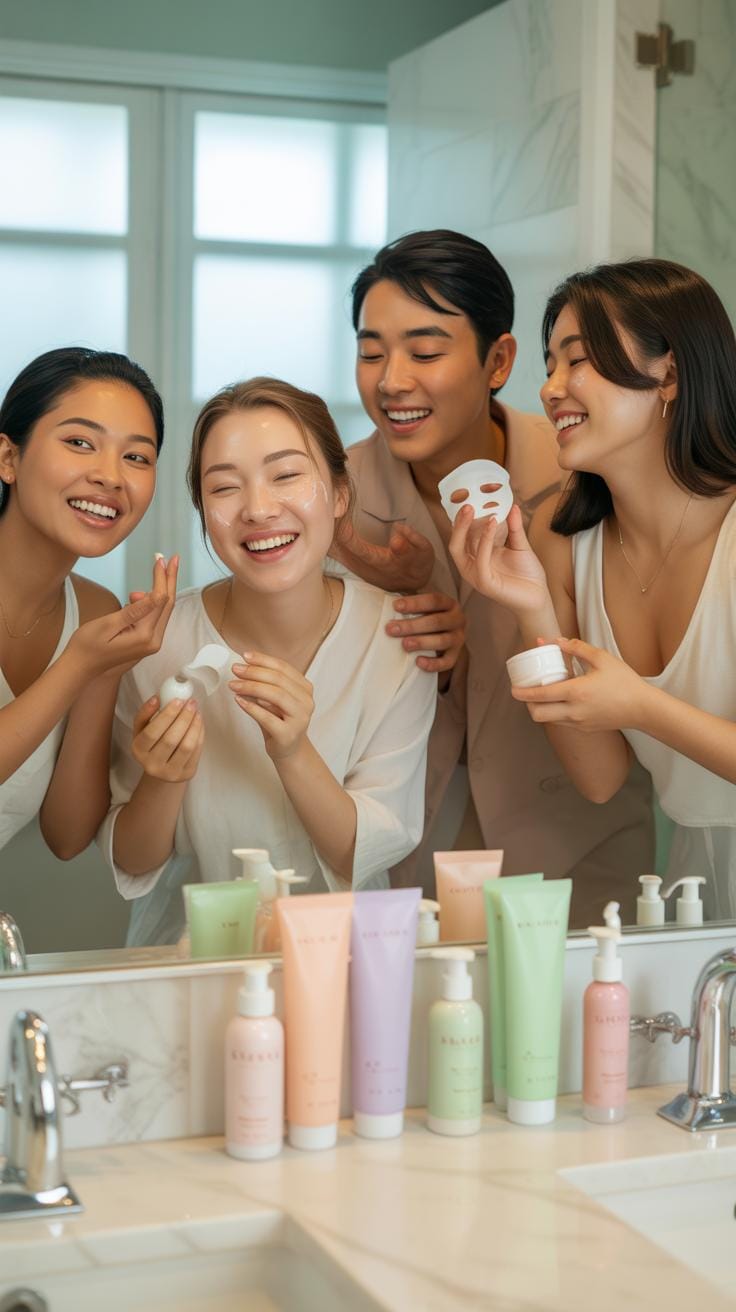
Trying Korean skin care can be great, but it’s easy to slip into a few common mistakes that might actually slow down your progress. For one, over-exfoliating is a trap I’ve seen many fall into. Exfoliating is good, yes, but doing it too often or with aggressive scrubs or acids can leave your skin feeling raw or irritated. You might notice redness, flaking, or even increased sensitivity. It’s tempting to think more exfoliation means faster results, but trust me, it can backfire.
Another thing is using products that don’t match your skin type. Korean skin care offers a huge variety, and it’s tempting to pile everything on—brightening serums for dullness, oil-control toners for oily skin—without really thinking if your skin can handle them all. I once tried layering multiple active ingredients that just didn’t suit me. The result? Breakouts and irritation. Knowing your skin type and choosing products accordingly matters more than you might think.
And yet, despite the emphasis on elaborate routines, skipping sunscreen remains surprisingly common. Many underestimate what sun damage does to the skin with daily exposure. It doesn’t just cause sunburn but can lead to dark spots, premature wrinkles, and even loss of skin elasticity over time. Sunscreen isn’t optional if you want that glowing complexion to last longer. I admit, sometimes I forget to reapply, but it’s the kind of habit that can seriously shift how your skin ages.
Choosing Ingredients For Bright Skin

Brightening your skin isn’t about chasing a single miracle ingredient. It’s more like combining the right mix, and Korean skincare does this well. Vitamin C plays a big role here. It helps reduce dark spots and evens out skin tone by interfering with melanin production. That’s why you’ll often find it in serums or ampoules. But don’t expect instant results; it takes consistent use to notice changes.
Niacinamide is another favorite. It’s gentler than Vitamin C but works well to brighten and strengthen the skin barrier. What I find interesting is how it also calms redness, so your skin not only looks brighter but healthier overall.
Natural extracts are everywhere in Korean products, and some actually add subtle brightening effects. Things like licorice root extract and green tea extract can lighten pigmentation and offer antioxidant benefits. Though their effects might be slower, they tend to be less irritating than synthetic options.
Here’s a quick list of common brightening ingredients you might want to look for:
- Vitamin C – Reduces dark spots and stimulates collagen.
- Niacinamide – Brightens skin tone and reinforces skin barrier.
- Arbutin – Derived from bearberry, helps fade hyperpigmentation.
- Licorice Root Extract – Anti-inflammatory, reduces redness and brightens.
- Green Tea Extract – Antioxidant-rich, calms the skin and evens tone.
- Alpha-Arbutin – More stable than regular arbutin, effective at reducing spots.
When you shop, keep an eye on product labels. Look for these ingredients in the top half of the list; that usually means a higher concentration. Words like “brightening” or “glow” on packaging can sometimes be just marketing buzz. Products claiming immediate brightening effects or “whitening” often contain harsh chemicals or unsafe additives, so approach them cautiously.
Reading ingredient lists carefully might feel tedious, but it can save you from wasting money on ineffective formulas. If an ingredient name looks unfamiliar, a quick search can help figure out its purpose. Sometimes, natural-sounding ingredients don’t always mean they brighten effectively, and synthetic ones aren’t always bad.
Finding the right balance in ingredients is a bit of trial and error, but knowing what to look for definitely gives you a better shot at that glowing complexion.
Examples Of Korean Skin Care Success

People who switch to Korean skin care often notice surprisingly clear changes. Take, for example, Sarah, who struggled with dull, uneven skin for years. After adopting a simple 10-step Korean routine focusing on gentle cleansing, hydration, and layering light moisturizers, her skin tone evened out within a few months. She reported her face looked brighter and felt softer. Nothing dramatic overnight, but consistent care paid off.
Then there’s Mark, who dealt with persistent dryness and irritation from harsh cleansers. He started using a mild oil cleanser followed by soothing essences and creams from Korean brands. After about six weeks, his redness faded and dryness eased, making his skin more comfortable and resilient.
It’s not just celebrity stories. Even people with sensitive or acne-prone skin often find relief when they slow down and focus on hydration and barrier repair—core principles in Korean skin care. The difference often comes from the layering and pacing, rather than stronger products.
Real User Routine Benefits
Many users share how adopting Korean routines brought noticeable benefits over time. Imagine someone waking up with less puffiness and a subtle glow, day after day. That’s what Hana, a long-time enthusiast, experienced as she introduced essences and sheet masks into her nightly ritual.
Reviewers often highlight:
- Clearer skin with fewer breakouts
- Better hydration, reducing flaky patches
- Smoother texture and softer feel
Sometimes the results aren’t instant, but as one user said, “I stopped expecting miracles overnight and just stuck with it. After three months, strangers started commenting on my skin.” That slow reveal seems common.
How Results Develop Over Time
Skin improvements with Korean routines usually follow a gradual path. You might see small changes in the first couple of weeks—less irritation or improved moisture levels. But real shifts, such as reduced pigmentation or more balanced tone, often take at least 6 to 8 weeks.
This timeline matches your skin’s natural cell turnover. So, jumping between products or rushing results can actually hinder progress. Patience is key, though it’s easier said than done.
Commitment means daily care, even on lazy days. Sometimes you’ll wonder if it’s working at all. That quiet period is normal. Keep applying sun protection and nourishing ingredients. Over time, these actions build resilience and glow. Would you be willing to trust the process for a couple of months?
FAQs On Korean Skin Care Routine
How Many Steps Are Needed
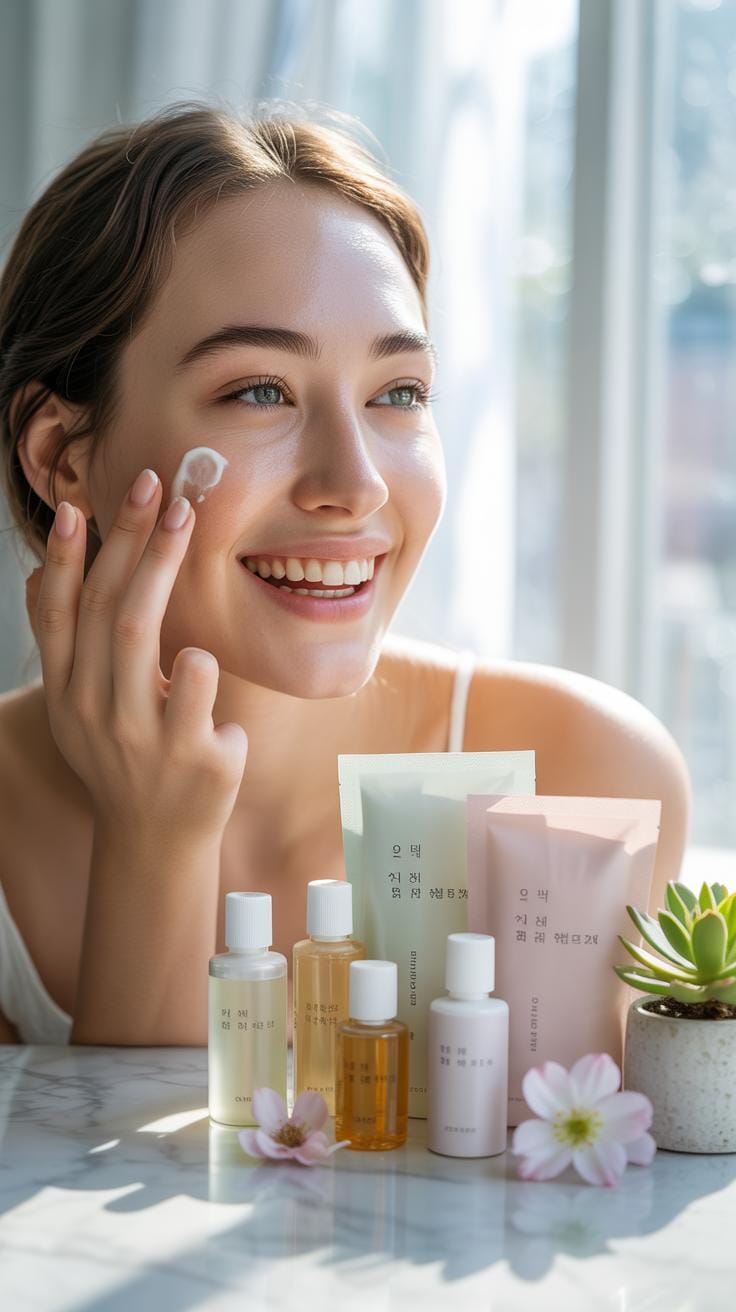
You might wonder if you really need all those steps Korean skin care routines suggest. Honestly, it depends on your skin and lifestyle. Some people swear by the full 10-step routine—cleansing, toning, essence, serums, moisturizers, sunscreen—the works. Others use a much simpler approach and still see results. For instance, a short routine could be double cleansing, a lightweight moisturizer, and sunscreen. That’s it. It’s much easier to keep consistent.
On the other hand, a full routine might feel excessive if you’re short on time or prefer minimalism. But if you have specific concerns, like acne or dullness, layering various products might help target those issues more effectively. Think about what fits your day-to-day and skin needs, rather than just following the number of steps out of habit.
Can Korean Skin Care Suit All Ages
Korean skin care products generally work well for all age groups because they focus on hydration, gentle ingredients, and prevention. But of course, different ages might require tweaks. Teens might want lighter formulas to avoid excess oil, while mature skin benefits from richer creams or anti-aging ingredients like peptides or antioxidants.
It’s not one-size-fits-all. For example, a 20-something may skip heavy creams but include soothing essences and sun protection. Someone in their 50s might add serums that focus on elasticity and deep hydration. So, you can think about your skin’s current condition rather than your exact age. I guess the key is adaptability; you can keep the basic steps but adjust the products to what your skin needs right now. That way, Korean skin care becomes less about age and more about what works for you personally.
Conclusions
Following Korean skin care secrets involves patience and attention to detail. By committing to a daily routine and using the right ingredients, you can maintain a healthy and radiant complexion. These practices also help protect against damage and support skin renewal.
Remember to tailor your routine to your skin’s needs and be consistent. Over time, you will see improvements in texture, hydration, and brightness that reflect the core ideas of these skin care traditions.