

Why Oily Skin Needs Its Own Routine
Oily skin can make it seem like your face is always shiny or greasy. This happens when your skin makes too much oil, called sebum. If not cared for properly, oily skin can lead to clogged pores and acne. Finding the right skin care routine is key to managing oily skin and keeping your complexion clear and healthy.
This article will guide you through simple and effective steps to care for oily skin. You will learn about the best cleansers, moisturizers, and habits to control oil and keep your skin looking fresh. Use these tips to create a daily routine that fits your needs and improves your skin.
Daily Steps To Control Oil


Controlling excess oil on your face starts with a simple routine you can stick to every day. First off, washing your face twice daily—morning and night—is crucial. But it’s not about scrubbing hard; gentle cleansing prevents stripping your skin, which can ironically trigger more oil production.

When choosing a cleanser, look for ones labeled specifically for oily or combination skin. Ingredients like salicylic acid or tea tree oil can help clear out pores and reduce shine. Avoid harsh sulfates—they feel like they’re doing a deep clean, but they actually irritate your skin, making oiliness worse. It’s a bit tricky because you want clean, not stripped.
After cleansing, don’t skip moisturizing. Yes, that sounds counterintuitive if your skin feels greasy, but even oily skin needs hydration. Pick oil-free or non-comedogenic moisturizers—that means they won’t clog pores or add extra grease. Gel-based or water-based formulas work best for most. I once skipped moisturizer thinking it would help control oil, but my skin freaked out and produced more oil as a result.
Don’t forget small habits, like gently patting your face dry instead of rubbing, or using blotting papers to absorb shine during the day without piling on product. These simple steps can add up and make a real difference. Just remember, managing oily skin isn’t about drying out your face—it’s about balance. What’s your current routine missing?
How Diet Affects Oily Skin

Your skin’s oiliness isn’t just about what you apply on it. What you eat plays a role too—even if that link isn’t always super clear. Some foods can push your oil glands into overdrive, while others might help keep things more balanced. For instance, meals heavy in refined sugars or greasy fast food can sometimes worsen oil production. But on the flip side, including certain nutrients seems to soothe inflammation and regulate sebum.
Think about it—after a day of eating lots of fried or sugary treats, your skin might feel shinier, right? It’s not just your imagination. These foods can cause your hormones to fluctuate, nudging your skin to produce more oil. On the other hand, foods rich in antioxidants and omega-3 fatty acids might support clearer skin.
Foods To Avoid For Oily Skin
Some foods are notorious for triggering excess oil or acne flare-ups. You’ll want to be careful with:
- Sugar-loaded snacks and drinks—these spike insulin levels, which can increase oil production.
- Highly processed foods like chips or instant noodles—they tend to be heavy in unhealthy fats and additives.
- Dairy products—some people find milk and cheese worsen their oiliness, possibly due to hormones in milk.
- Deep-fried foods—these add greasy fats to your system that may reflect on your skin’s surface.
Why these affect oily skin? Well, they can alter hormone levels or prompt inflammation that, in turn, tells your skin to create more sebum. Not everyone reacts the same way, though, which makes it a bit tricky.
Skin Friendly Nutrients To Include
Certain nutrients seem to help calm your skin, making it less oily and less prone to breakouts. You might want to add:
- Omega-3 fatty acids found in fish like salmon or flaxseeds, known for their anti-inflammatory properties.
- Vitamin A which can regulate skin cell turnover; think carrots, sweet potatoes, and leafy greens.
- Zinc, present in pumpkin seeds or legumes, which plays a role in hormone balance and reducing oiliness.
- Vitamin C from citrus fruits or strawberries, supporting collagen and skin repair.
Including these in your diet might not be a magic fix but can help support a healthier complexion. I’ve noticed when I eat more oily fish and vegetables, my skin feels less stubborn. So, maybe it’s worth paying attention to what ends up on your plate.
Best Ingredients For Oily Skin Care
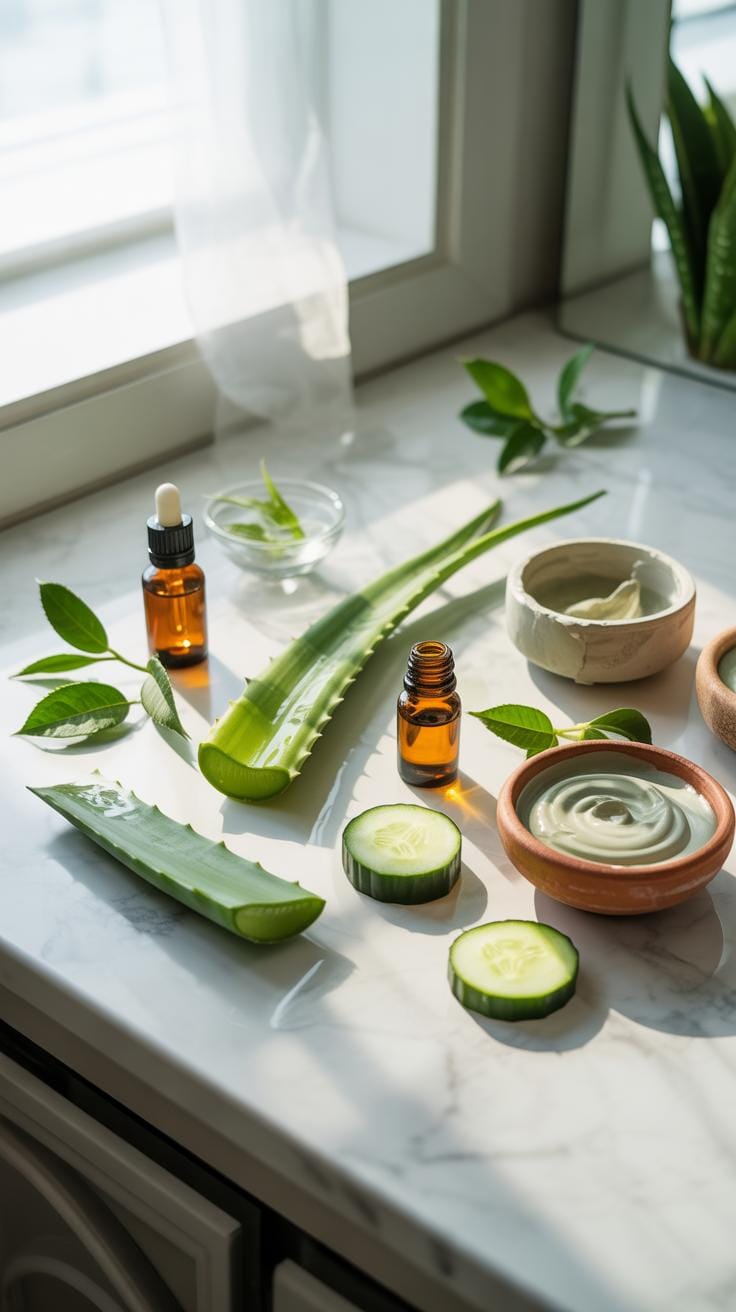
When it comes to oily skin, picking the right ingredients can make a noticeable difference. Salicylic acid stands out because it penetrates deep into pores, dissolving the oil and dead skin cells that clog them. This helps prevent breakouts and reduces that shiny, greasy look you might be trying to control all day.
On the other hand, benzoyl peroxide works more on the surface by killing acne-causing bacteria and drying excess oil. It can be tough sometimes, causing dryness or irritation, so it might not suit everyone with oily skin—especially if you lean toward sensitivity.
Then there are clay and charcoal masks, popular for absorbing oil and pulling out impurities from the skin. Clay works by binding oil and dirt, making your face feel less heavy, while charcoal acts almost like a magnet, attracting toxins out. Including these masks once or twice a week can lend a fresher, clearer look when your skin feels overwhelmed.
Choosing between these depends a lot on your skin’s tolerance. If you want something gentle and pore-clearing, salicylic acid might be your pick. For more aggressive acne treatment, benzoyl peroxide can be effective, but it’s worth testing to see how your skin reacts. Masks, meanwhile, are more about controlling oil buildup rather than treating acne directly.
Have you noticed how some products dry your skin out too much while others just sit on top? That’s why understanding what ingredients do helps you pick smarter, not just experiment endlessly. It’s a bit of trial and error, yes, but knowing these basics gives you a head start.
Common Mistakes That Worsen Oiliness

When dealing with oily skin, some habits can unintentionally make things worse. It’s easy to assume that more washing equals less oil, but that’s rarely the case. In fact, overwashing or scrubbing too hard can stress your skin and trigger it to produce even more oil, which is counterproductive.
Think about it: if you strip your skin of natural oils repeatedly throughout the day, your skin senses dryness and overcompensates. This often results in an oily sheen that’s even more stubborn. You might notice that after a vigorous cleanse, your skin feels tight for a moment but becomes greasier within hours.
Then there’s the choice of products. Using creams or cleansers designed for dry skin can clog pores or feel heavy, causing breakouts or making your skin overwork to balance moisture. For example, rich moisturizers that promise deep hydration sometimes just sit on oily skin, which makes it uncomfortable and slick rather than calm and clear.
Here’s what to watch out for:
- Washing your face more than twice a day or scrubbing with harsh brushes or rough cloths.
- Choosing thick creams or oil-based products in an attempt to “fix” dryness that isn’t really there.
- Relying on products with heavy fragrances or oils that can block pores.
Do you find that after washing your face multiple times, your skin gets oilier? Maybe it’s time to rethink the routine rather than add more steps. Remember, oily skin doesn’t need to be overloaded with product to stay balanced.
Tools To Monitor Skin Improvement

Tracking your skin’s progress can feel a bit like guesswork if you don’t use some simple tools. You might think your oily skin is improving one day, only to see an unexpected flare-up the next and wonder what went wrong. But having ways to measure changes helps bring some clarity.
Keeping A Skin Journal
Writing down what your skin looks and feels like each day makes a big difference. Note the time of day, any visible oiliness, breakouts, or dryness. Include the products you used—maybe a new cleanser or moisturizer—and how your skin reacted. Over time, patterns emerge. Is a certain serum causing more shine? Does skipping a step calm your skin?
At first, it might feel tedious. But I found that reflecting daily forces you to actually pay attention, not just assume your routine works. Plus, you’ll appreciate seeing real progress in writing when oiliness reduces or texture smooths out.
Using Oil Control Sheets And Apps
Blotting papers are simple yet revealing. Press one on your face during the day to see how much oil transfers—forehead, nose, chin. This snapshot can surprise you, especially on days that feel “normal.” Comparing these over weeks shows if your skin actually produces less oil.
There are also smartphone apps designed to measure and record skin oil levels using your phone’s camera. They’re not perfect or scientific, but they add another layer of feedback when you want to track your progress digitally. Checking with blotting sheets and apps alternately can give a fuller picture of changes.
So, if you’re wondering how your routine is really doing, try combining a journal with these tools. It’s a low-effort way to move beyond assumptions and tune into what your oily skin truly needs or doesn’t.
Routine Checklist For Morning And Night

Morning Routine Must-Dos
Start your morning by washing your face with a gentle foaming or gel cleanser designed for oily skin. It helps remove the overnight buildup of oil and sweat without stripping the skin.
Next, use a lightweight toner that balances your skin’s pH and tightens pores. Something with ingredients like witch hazel or salicylic acid works well. It’s a quick step but helps keep oil production in check throughout the day.
Don’t skip a mattifying moisturizer—even if your skin feels oily, hydration is key. Pick an oil-free, non-comedogenic formula that soaks in fast. I’ve noticed that a proper moisturizer stops my skin from overcompensating by producing even more oil.
Finally, slather on a broad-spectrum sunscreen. Look for a gel-based or mineral sunscreen that won’t clog pores. This step might feel tedious, but you’ll thank yourself later.
Night Routine Steps To Follow
At night, start by removing any sunscreen or makeup with a gentle makeup remover or micellar water. Skipping this will only trap oils and dirt on your face, making things worse.
Follow with a deep cleanse using an oil-control cleanser. Double cleansing works wonders here—first to break down excess sebum and pollutants, second to clean deeper without irritating skin.
After cleansing, apply a toner with mild exfoliating acids like glycolic or salicylic acid. This step helps clear clogged pores and prevents breakouts overnight. Sometimes I find this irritating, so maybe start slow and see how your skin reacts.
Lastly, treat your skin with a lightweight night serum or gel that contains niacinamide or retinol. These ingredients reduce oil production and improve skin texture. Finish with a light, oil-free moisturizer to lock in hydration as your skin repairs itself during sleep.
Effects Of Weather On Oily Skin

Oily skin doesn’t behave the same way in every kind of weather. You might notice your skin feels slicker and shinier in some seasons but tight or less oily in others. It’s confusing—but not unusual. The main thing is that changes in temperature and moisture in the air impact how much oil your skin produces and how it responds to your skincare products.
For example, warm weather tends to ramp up oil production. Your pores may look larger and clogged more often. In cooler weather, your skin might produce less oil, but that doesn’t always mean it feels balanced—sometimes it can even feel drier or irritated, despite being oily. So, the question is: how do you shift your routine when the weather changes?
Adjusting cleansers, moisturizers, and how often you exfoliate can make a difference. A gentle switch-up helps your skin stay comfortable and less reactive. Pay attention to what your skin is telling you—it usually knows what it needs, even if that’s not what you expect.
Managing Skin In Hot Humid Climates
Heat and humidity really crank up oiliness. Sweat mixes with oils, and suddenly your skin feels like an oil slick. It’s common to want to wash your face constantly, but overwashing can backfire by stripping natural oils and triggering more oil production.
Some tips that seem to help are:
- Using a lightweight, water-based moisturizer instead of thick creams. Heavy products just add to the problem.
- Choose gentle foaming cleansers that remove excess oil without drying you out.
- Blotting papers can be a handy tool throughout the day to absorb surface oil without disturbing makeup.
- Avoid products with heavy occlusives or comedogenic ingredients—they can trap oil and sweat, leading to breakouts.
What’s tricky is finding the balance between cleansing enough and not overstimulating oil glands. Your skin may seem oily and dry at the same time, which never made much sense to me. But paying attention to how your skin reacts after products or weather changes can guide your routine.
Care For Oily Skin In Cold Dry Weather
Cold air typically dries out skin, but oily skin still doesn’t want to lose all its natural oils. In fact, when skin gets dry, it can cause your oil glands to work overtime to compensate. So, oddly enough, oily skin can feel tight and greasy simultaneously during winter.
Here’s what I’ve found helpful:
- Switch to a gentle, hydrating cleanser that won’t strip your skin.
- Use a slightly richer moisturizer, but stick to non-comedogenic formulas to avoid clogging pores.
- Consider adding a hydrating serum with ingredients like hyaluronic acid to support moisture without heaviness.
- Don’t skip sunscreen—cold weather doesn’t mean sun damage stops.
It may require a bit of trial and error. Sometimes you think you need less oil, but your skin actually needs more hydration to stop craving excess oil production. Tricky, right? But listening to your skin and adapting will make a real difference over time.
Case Study Of Successful Skin Care

Initial Skin Issues And Challenges
Emma struggled with oily skin for years. Her face would get shiny within hours of washing, especially around the T-zone. This excess oil often led to clogged pores and frequent breakouts. Acne was a regular annoyance, making her self-conscious. She also noticed large pores that seemed hard to shrink. At times, it felt like no matter what product she tried, her skin only got worse—either drier or even oilier.
Her biggest challenge was finding balance. Over-washing made her skin produce more oil. Skipping moisturizer left her skin tight and flaky, which was frustrating. She often wondered if controlling oil meant accepting persistent acne as part of the deal.
Routine Changes And Results
The turning point came when Emma simplified her skincare routine. She switched to a gentle foaming cleanser, applied a lightweight, oil-free moisturizer, and added a salicylic acid treatment to target blemishes. She avoided harsh scrubs, choosing exfoliation twice a week to clear dead skin without irritation.
Diet changes played a role too—she cut back on greasy, processed foods and increased water intake. Within weeks, the oiliness reduced noticeably. Her breakouts became less frequent, and her skin felt calmer. After about two months, Emma’s pores appeared smaller, and her complexion had a clearer, more even tone. Not perfectly flawless, but enough to boost her confidence.
Could this simple shift be the answer for many with oily skin? Emma’s experience suggests starting with basic, consistent steps, paired with some patience, makes a difference.
Conclusions
Dealing with oily skin requires a consistent skincare routine focused on balancing oil production. Using the right products for cleansing and moisturizing helps reduce shine without drying out your skin. Avoid over-washing or harsh scrubbing to keep your skin calm and clear.
By understanding how your skin works and following practical advice, you can manage oily skin and prevent common problems like acne. Stick to a daily routine, watch what you use on your skin, and make small changes to see a healthier, clearer complexion over time.